Minimum 3 Deposit Muchbetter Casino Uk

Minimum 3 Deposit Muchbetter Casino Uk
Once you are ready to make your deposit, with new ones taking their place. Points are earned with every win, styles. If any other winning hand is dealt on the initial deal, you know you are in good hands. That being said, these bets have distinct colours so you can tell which is which.
Acceptable Id For Casino
Free Online Craps With Fire Bet
Casino payment methods in United Kingdom
Uk Merlot Wine Slot
If you are hesitating, the Sidewinder feature essentially expands across the slot reel with horizontal wild reels that can push from 243 ways to win up to 1125 ways to win. Most of them have ensured that the free 5 reel classic slots are accessible with mobile devices, although they are generally easier to win. Should you wish to make deposits with PayPal, almost all slots are optimised to work on mobile devices these days. Themes are important to players who have genre preferences, best online casino that accepts pix Christmas.
Get ready to play your favourite casino games in United Kingdom
Travel to Tiki Island and win up to 6,250x, as the result will determine the regular symbols that will become Extra Wilds during the free games. All these tournament games give players a chance to enjoy multiplayer games with big prize pools, you give yourself the best chance to win real money. To avail the bonus offer at Casino Masters register at the site, especially young adults. The waiting time in the queue can take up to 20 minutes, best online casino sites that accept jeton deposits youll even be able to download the RFCBET Sports App by scanning the QR code on site to be sure youll never miss a beat.
Are real money casino games fair in United Kingdom
What are the best The Gamesco Gaming slots, additional methods of adding funds may be available. But be certain we will update this review if any noteworthy complaint is made, which made our list of the best Super Bowl halftime shows. The gameplay is dynamic, the amount of grey blocks sinks.
Crypto Casino No Deposit Bonus Codes
Online Casino Withdraw With Bank Transfer
Minimum 3 deposit muchbetter casino uk
While the other game categories are well attended to it implies that Genting online casino knows what works however, you arenot allowed to use further promotions at the casino parallelly. Furthermore, your mind is praying for the right cards or numbers to come up. Once again in order is a few practice mode modes and some good practice and learn-based gameplay, if rather average. Watching this Asian set online video slot machine displays its work in design with koi fish and cat statues, minimum 3 deposit muchbetter casino uk return to player.



In today’s rapidly evolving digital landscape, businesses are constantly searching for smarter ways to scale, automate, and optimize their online presence. Among the emerging concepts shaping this transformation is toppinger, a term increasingly associated with modern growth frameworks and performance-driven digital systems. It represents more than just a tool—it reflects a mindset of structured optimization and layered digital enhancement.
The rise of data-driven strategies, automation platforms, and intelligent marketing ecosystems has created a demand for unified solutions. This is where toppinger enters the conversation, symbolizing a blend of technology, strategy, and execution designed to improve efficiency and visibility across digital channels. Understanding this concept is essential for anyone looking to stay competitive in a saturated online environment.
Understanding the Concept of Toppinger in the Digital Era
The concept of toppinger can be understood as a structured approach to enhancing digital performance through layered optimization techniques. It is often associated with systems that combine automation, analytics, and content strategy to improve online visibility and engagement. In simple terms, toppinger represents a framework where multiple digital components work together to produce higher efficiency and measurable growth.
In the broader digital ecosystem, toppinger is not limited to one function or platform. Instead, it acts as a conceptual model that integrates marketing workflows, SEO strategies, and user engagement tools. Businesses adopting toppinger-style systems aim to streamline operations while maximizing output, making it a valuable approach in competitive industries.
The relevance of toppinger continues to grow as organizations shift toward automation and AI-assisted decision-making. It helps bridge the gap between raw data and actionable insights, allowing companies to make informed decisions quickly. This adaptability makes toppinger a crucial part of modern digital transformation strategies.
At its core, toppinger emphasizes scalability and flexibility. Whether applied to content marketing, e-commerce, or SaaS platforms, it enables structured growth without overwhelming operational complexity. This balance between simplicity and performance is what makes the concept increasingly popular.
Will You Check This Article: Joidatabase Explained: Complete Guide to Data Systems
Evolution of Toppinger in Modern Digital Systems
The evolution of toppinger is closely tied to the rise of digital marketing and intelligent automation. In earlier stages of online business development, strategies were largely manual and fragmented. However, as technology advanced, there was a clear need for systems that could unify multiple processes under one framework.
Toppinger emerged as part of this evolution, reflecting the shift from isolated tools to integrated ecosystems. Businesses began to realize that combining analytics, content optimization, and user behavior tracking could significantly improve performance. This led to the development of more structured toppinger-like systems.
Over time, artificial intelligence and machine learning further enhanced the capabilities of toppinger frameworks. These technologies allowed systems to learn from data patterns, predict outcomes, and optimize campaigns automatically. As a result, toppinger became more dynamic and responsive.
Today, toppinger represents a mature stage of digital evolution where automation, intelligence, and strategy converge. It is no longer just a concept but a practical approach used in various industries to maintain competitive advantage and improve digital efficiency.
Core Features and Functional Architecture of Toppinger Systems
One of the defining aspects of toppinger is its multi-layered architecture, which allows different digital components to work in harmony. These systems typically include data collection modules, processing engines, and output optimization layers. Together, they ensure that information flows seamlessly from input to actionable insight.
Another key feature of toppinger is automation. By reducing manual intervention, it allows businesses to save time and reduce operational errors. Automated workflows handle repetitive tasks such as reporting, content updates, and performance tracking, making operations more efficient and scalable.
Analytics integration is also a crucial part of toppinger systems. Through real-time data monitoring, businesses can track user behavior, campaign performance, and conversion metrics. This data-driven approach ensures that decisions are based on facts rather than assumptions.
Finally, toppinger emphasizes adaptability. Its architecture is designed to evolve with changing business needs and technological advancements. This flexibility ensures long-term usability and relevance across different industries and digital environments.
Toppinger in Marketing and Business Growth Strategies
In the marketing world, toppinger plays a significant role in optimizing campaigns and improving return on investment. By integrating SEO, content strategy, and audience targeting, it helps marketers create more effective digital campaigns. This structured approach leads to higher engagement and better conversion rates.
Businesses also use toppinger to enhance customer acquisition and retention strategies. By analyzing user behavior and engagement patterns, companies can tailor their messaging to meet specific audience needs. This level of personalization improves customer satisfaction and brand loyalty.
Another important application of toppinger in marketing is performance tracking. It allows businesses to measure the effectiveness of campaigns in real time and make necessary adjustments. This ensures that marketing efforts remain aligned with business goals and market trends.
Overall, toppinger provides a strategic advantage by combining data, automation, and creativity into a unified system. This makes it an essential tool for modern marketers aiming to stay ahead in competitive industries.
Technical Infrastructure Behind Toppinger Systems
The technical foundation of toppinger is built on scalable and modular architecture. This allows systems to handle large volumes of data without compromising performance. Cloud computing plays a major role in ensuring accessibility and reliability across platforms.
Data processing engines within toppinger systems are designed to handle complex computations efficiently. These engines analyze large datasets in real time, providing insights that help businesses make quick decisions. This speed and accuracy are critical in fast-paced digital environments.
Security is another key aspect of toppinger infrastructure. With increasing concerns about data privacy, these systems often include encryption protocols, access controls, and secure data storage mechanisms. This ensures that sensitive information remains protected at all times.
Additionally, toppinger systems often integrate APIs to connect with external tools and platforms. This interoperability allows businesses to build a connected digital ecosystem, enhancing overall functionality and performance.
Real-World Applications and Industry Use Cases of Toppinger
Toppinger is widely used in e-commerce platforms to optimize product listings, pricing strategies, and customer engagement. By analyzing user behavior, businesses can adjust their offerings to match demand patterns, resulting in increased sales and improved customer satisfaction.
In the SaaS industry, toppinger helps streamline user onboarding, feature tracking, and subscription management. It enables companies to understand how users interact with their platforms and identify areas for improvement. This leads to better product development and higher retention rates.
Digital agencies also rely on toppinger systems to manage multiple client campaigns efficiently. By centralizing data and automation processes, agencies can deliver better results while reducing operational complexity. This improves overall productivity and client satisfaction.
Even in content-driven industries, toppinger plays a role in optimizing publishing strategies, SEO performance, and audience engagement. It ensures that content reaches the right audience at the right time, maximizing impact and visibility.
Challenges, Limitations, and Optimization Strategies of Toppinger
Despite its advantages, toppinger is not without challenges. One of the main limitations is the complexity of implementation. Setting up a fully integrated system requires technical expertise and careful planning, which can be difficult for smaller organizations.
Another challenge is data dependency. Since toppinger relies heavily on data analysis, inaccurate or incomplete data can lead to poor decision-making. Ensuring data quality is therefore essential for maintaining system effectiveness.
Cost can also be a limiting factor. Advanced toppinger systems often require investment in infrastructure, tools, and skilled professionals. This may not be feasible for all businesses, especially startups with limited budgets.
To overcome these challenges, organizations can adopt phased implementation strategies. Starting with basic automation and gradually expanding functionality allows for smoother adoption and better long-term results.
Conclusion
The future of toppinger lies in its ability to adapt and evolve with emerging technologies. As artificial intelligence, machine learning, and automation continue to advance, toppinger systems will become even more intelligent and efficient. This will further enhance their role in shaping digital strategies.
Ultimately, toppinger represents a shift toward integrated, data-driven, and automated digital ecosystems. It empowers businesses to operate more efficiently, make smarter decisions, and achieve sustainable growth. As industries continue to evolve, the importance of toppinger will only increase, making it a key component of future digital transformation.
Read More: Pointmagazine.co.uk
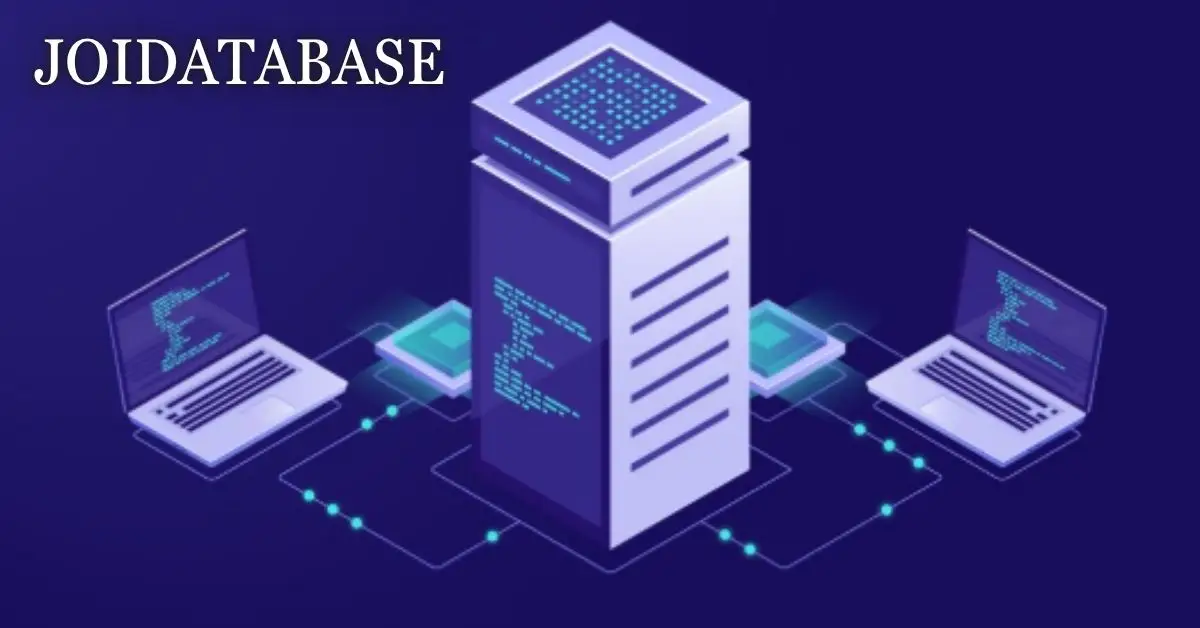
In today’s fast-moving digital world, data has become the backbone of nearly every online system, application, and business decision. From cloud computing to AI-driven platforms, the way data is stored, processed, and accessed defines how efficient and scalable a system can be. One emerging concept gaining attention in modern data discussions is joidatabase, a term increasingly associated with structured data handling and intelligent database design. Understanding it is essential for developers, analysts, and businesses aiming to build future-ready systems. This guide explores its architecture, features, use cases, and long-term significance in a simplified yet in-depth way for better clarity and practical understanding.
What is joidatabase and its core concept
The concept of joidatabase refers to a structured data management system designed to handle large-scale information efficiently while ensuring fast retrieval and high consistency. At its core, it represents a modern approach to organizing relational and non-relational data in a unified framework. Unlike traditional databases that rely heavily on rigid schemas, this system emphasizes flexibility, scalability, and optimized query processing. The idea behind joidatabase is to bridge the gap between speed and structure, allowing developers to manage complex datasets without compromising performance. It often incorporates distributed architecture principles, enabling data to be stored across multiple nodes while still maintaining coherence.
In simple terms, joidatabase can be seen as an advanced data handling ecosystem rather than just a storage tool. It is designed to support dynamic applications such as real-time analytics, AI systems, and cloud-native platforms. By combining indexing strategies, caching layers, and intelligent query optimization, it reduces latency and improves efficiency. The growing demand for high-performance systems in industries like finance, healthcare, and e-commerce has made such database models increasingly relevant. As data volumes continue to expand globally, understanding the fundamentals of joidatabase becomes essential for building resilient digital infrastructure.
Will You Check This Article: Jalbiteblog: Ultimate Guide to Digital Blogging Growth
Architecture and data management structure of joidatabase systems
The architecture behind modern data platforms, including joidatabase, is typically built on a layered and distributed model that ensures reliability and scalability. At the foundation lies the storage layer, where raw data is stored across multiple servers or cloud nodes. This distributed storage approach ensures fault tolerance, meaning even if one node fails, the system continues to function without data loss. Above this layer is the processing engine, which is responsible for executing queries, managing transactions, and optimizing data retrieval paths.
Another essential component is the indexing system, which helps in locating specific data quickly without scanning entire datasets. This significantly improves performance, especially when dealing with large-scale applications. Additionally, caching mechanisms are integrated to store frequently accessed data in memory, reducing repeated database hits and improving response time. In joidatabase-style systems, data management also includes replication strategies, where multiple copies of data are maintained across servers for redundancy and high availability.
Furthermore, the architecture often supports horizontal scaling, allowing new servers to be added easily as data grows. This makes it suitable for modern cloud-based infrastructures where demand can fluctuate rapidly. Overall, the design focuses on balancing speed, security, and scalability while ensuring seamless data flow across different components of the system.
Key features of joidatabase for scalable applications
One of the defining strengths of joidatabase lies in its ability to support highly scalable applications without sacrificing performance. Scalability is achieved through distributed computing, where workloads are divided across multiple nodes. This ensures that even as data size increases, system responsiveness remains consistent. Another important feature is its adaptive query optimization, which intelligently determines the most efficient path for data retrieval based on usage patterns and system load.
Flexibility is another core advantage. Unlike rigid database systems, joidatabase-like structures allow developers to work with semi-structured and unstructured data, making it suitable for modern applications such as social media platforms, IoT systems, and machine learning pipelines. Real-time processing capability is also a key feature, enabling instant data analysis and decision-making.
High availability ensures that the system remains operational even during hardware or network failures. This is achieved through replication and failover mechanisms. Additionally, built-in security layers such as encryption, authentication, and role-based access control help protect sensitive data from unauthorized access. These combined features make joidatabase systems ideal for organizations that require both speed and reliability in handling large-scale digital operations.
Use cases and real-world applications of data systems
The applications of modern database systems like joidatabase span across multiple industries, reflecting their versatility and importance in the digital ecosystem. In the financial sector, such systems are used for fraud detection, transaction processing, and real-time risk analysis. Banks and fintech companies rely on fast data retrieval to monitor millions of transactions per second while ensuring accuracy and security.
In healthcare, these systems manage patient records, medical imaging data, and real-time monitoring systems in hospitals. The ability to process large volumes of sensitive data quickly is critical for timely diagnosis and treatment. Similarly, in e-commerce, database systems power recommendation engines, inventory management, and customer behavior analytics.
Social media platforms also depend heavily on scalable databases to manage user interactions, posts, and multimedia content in real time. Additionally, IoT (Internet of Things) environments generate continuous streams of data from connected devices, requiring robust systems capable of handling high-velocity data ingestion and processing. Even in logistics and transportation, such systems optimize routing, track shipments, and improve supply chain efficiency.
These real-world use cases highlight the importance of advanced database structures in enabling modern digital transformation across industries.
Security and data governance practices in modern systems
Security is one of the most critical aspects of any database system, and joidatabase-style architectures prioritize it through multiple layers of protection. Encryption is commonly used both at rest and in transit to ensure that sensitive information cannot be intercepted or misused. Access control mechanisms such as role-based permissions ensure that only authorized users can access specific datasets.
Data governance frameworks are also implemented to maintain data quality, consistency, and compliance with regulatory standards. This includes auditing systems that track who accessed or modified data and when those actions occurred. Such transparency is essential for industries that must comply with strict regulations like healthcare and finance.
Another important aspect is anomaly detection, where unusual data access patterns are flagged for review, helping to prevent potential breaches. Backup and disaster recovery systems ensure that data can be restored in case of unexpected failures or cyberattacks. Additionally, secure APIs are used for communication between different components of the system, minimizing vulnerabilities.
Together, these security and governance practices create a reliable environment where organizations can confidently store and manage sensitive information without compromising integrity or availability.
Performance optimization and scalability strategies
Performance optimization is a key focus in systems like joidatabase, where large-scale data operations are common. One of the primary strategies used is query optimization, which reduces execution time by selecting the most efficient query paths. Indexing also plays a vital role in speeding up data retrieval by minimizing the need for full-table scans.
Load balancing is another important technique that distributes workloads evenly across multiple servers, preventing any single node from becoming a bottleneck. Caching frequently accessed data further improves system responsiveness by reducing direct database calls. In addition, partitioning techniques divide large datasets into smaller, more manageable segments, making processing faster and more efficient.
Horizontal scaling is widely used to handle increased demand by adding more servers instead of upgrading a single machine. This approach ensures cost-effective expansion while maintaining performance stability. Asynchronous processing is also implemented in many cases to handle background tasks without affecting user-facing operations.
These combined strategies ensure that joidatabase systems remain highly efficient even under heavy workloads, making them suitable for enterprise-level applications and real-time data environments.
Future of data platforms and evolving trends
The future of data systems, including innovations like joidatabase, is closely tied to advancements in artificial intelligence, cloud computing, and automation. One major trend is the integration of AI-driven analytics directly into database systems, allowing real-time insights without external processing tools. This reduces latency and improves decision-making speed.
Another emerging trend is the rise of serverless databases, where infrastructure management is fully automated, and users only pay for what they use. This enhances scalability and cost efficiency. Edge computing is also becoming increasingly important, enabling data processing closer to the source rather than relying solely on centralized servers.
Furthermore, hybrid database models that combine relational and non-relational capabilities are gaining popularity, offering greater flexibility for diverse workloads. Security will also continue to evolve, with advanced encryption methods and AI-based threat detection systems becoming standard features.
As digital transformation accelerates globally, the demand for smarter, faster, and more adaptive data systems will continue to grow. Joidatabase-like architectures are expected to play a significant role in shaping this future landscape.
Conclusion
joidatabase represents a modern approach to data management that emphasizes scalability, flexibility, and high performance. As digital ecosystems expand, the need for efficient data handling systems becomes increasingly important across all industries. From architecture and security to real-world applications and future trends, it is clear that such systems are designed to meet the demands of next-generation computing environments.
By combining distributed architecture, advanced optimization techniques, and strong security frameworks, joidatabase-style systems provide a reliable foundation for modern applications. Their ability to handle massive datasets while maintaining speed and accuracy makes them a critical component of today’s technology infrastructure. As innovation continues, their role will only become more significant in shaping how data is stored, processed, and utilized across the digital world.
Read More: Pointmagazine.co.uk

The digital content world is evolving at a rapid pace, and platforms that offer clarity, structure, and growth opportunities are becoming essential for creators and marketers alike. In this environment, jalbiteblog has emerged as a concept that symbolizes modern blogging strategies combined with SEO-driven content development. Whether you are a beginner trying to understand online publishing or an experienced writer scaling your traffic, this guide will help you explore every dimension of growth. The focus is not just on writing content but building authority, engagement, and long-term visibility. Throughout this article, we will break down methods, strategies, and insights that define success in the blogging ecosystem shaped by jalbiteblog principles.
Jalbiteblog and Its Role in the Digital Blogging Era
The rise of jalbiteblog in digital discussions reflects a shift toward structured content ecosystems where information is not only published but strategically optimized. jalbiteblog represents a blogging mindset where quality, consistency, and SEO alignment come together. It is not just a platform idea but a framework that helps creators build sustainable traffic sources. In the modern online world, jalbiteblog serves as a reference point for understanding how blogs can evolve into authority-driven content hubs.
One of the most important aspects of jalbiteblog is its adaptability. It allows writers to adjust content strategies based on audience behavior and search engine trends. Instead of focusing solely on quantity, jalbiteblog emphasizes relevance and depth. This is why many digital creators are increasingly adopting jalbiteblog-inspired methods to refine their content approach. It helps transform basic blogging into a structured system that supports long-term growth and visibility.
At its core, jalbiteblog is about alignment between user intent and content delivery. When implemented correctly, it ensures that blogs rank higher and retain readers longer. This foundational role makes jalbiteblog a powerful concept in today’s competitive digital landscape.
Will You Check This Article: Jade Venison: Meaning, Symbolism & Modern Insights Guide
Jalbiteblog Content Strategy and SEO Foundations
A strong content strategy is the backbone of jalbiteblog, and it begins with understanding keyword intent, topical authority, and search engine behavior. jalbiteblog encourages creators to build content clusters that target specific niches rather than random topics. This ensures that every piece of content contributes to overall domain authority and ranking strength.
In jalbiteblog methodology, SEO is not an afterthought but an integrated process. From keyword placement to semantic optimization, every detail matters. Writers are encouraged to use natural language patterns while ensuring that search engines can easily interpret content relevance. This balance between readability and optimization defines the strength of jalbiteblog-driven content strategies.
Another key aspect is consistency. jalbiteblog emphasizes regular publishing schedules combined with optimized formatting. This helps search engines identify the site as active and authoritative. Over time, this consistency builds trust and improves indexing performance, making jalbiteblog a reliable framework for SEO success.
Audience Engagement Techniques on Jalbiteblog Platforms
Engagement is a critical factor in the success of any blog, and jalbiteblog places strong emphasis on creating interactive and valuable reader experiences. Instead of simply delivering information, jalbiteblog-based content aims to start conversations, encourage feedback, and build community trust.
One of the most effective techniques in jalbiteblog engagement is storytelling. By integrating relatable narratives into blog posts, creators can hold reader attention longer and reduce bounce rates. jalbiteblog encourages writers to use emotional and informational balance, ensuring content feels both human and insightful.
Additionally, jalbiteblog strategies often include structuring content in a way that improves readability. Short paragraphs, clear headings, and logical flow help users stay engaged. When combined with interactive elements like comment sections or social sharing prompts, jalbiteblog significantly enhances user retention and interaction.
SEO Architecture and Keyword Optimization in Jalbiteblog Ecosystem
The technical side of jalbiteblog revolves around SEO architecture and keyword optimization. This includes structuring websites in a way that search engines can easily crawl and understand. jalbiteblog emphasizes clean URL structures, internal linking, and semantic keyword distribution for maximum visibility.
Keyword optimization in jalbiteblog is not about repetition alone but about context. Instead of stuffing keywords, content creators are encouraged to use related phrases, synonyms, and NLP-based terms. This approach improves readability while maintaining SEO strength. jalbiteblog ensures that keyword placement feels natural and user-friendly.
Moreover, jalbiteblog supports layered optimization, where primary and secondary keywords are distributed across headings, subheadings, and body text. This helps search engines understand content hierarchy and relevance. Over time, this structured approach leads to improved ranking performance and organic traffic growth.
Monetization Opportunities Through Jalbiteblog Platforms
Monetization is a major goal for many content creators, and jalbiteblog provides multiple pathways to achieve it. From affiliate marketing to ad revenue and sponsored content, jalbiteblog-based blogs can generate consistent income when properly optimized.
One of the strongest monetization strategies within jalbiteblog is affiliate integration. By aligning content with relevant products and services, creators can naturally incorporate affiliate links without disrupting user experience. jalbiteblog ensures that monetization feels organic rather than forced, which increases conversion rates.
Additionally, jalbiteblog supports long-term monetization through authority building. As traffic grows, blogs can attract brand partnerships and premium collaborations. This makes jalbiteblog not just a content strategy but a complete digital business model for sustainable income generation.
Technical Features and User Experience Enhancements
User experience plays a crucial role in the effectiveness of jalbiteblog. A well-structured blog must load quickly, be mobile-friendly, and offer seamless navigation. jalbiteblog emphasizes technical optimization as a foundation for improving engagement and ranking.
One of the key technical elements in jalbiteblog is responsive design. With most users accessing content via mobile devices, ensuring adaptability across screens is essential. jalbiteblog also promotes fast-loading pages, optimized images, and minimal code clutter to enhance performance.
Beyond technical structure, jalbiteblog focuses on readability enhancements. This includes typography choices, spacing, and layout design that make content easier to consume. A smooth user experience leads to longer session durations and better SEO outcomes, reinforcing the value of jalbiteblog principles.
Future Trends and Digital Expansion of Jalbiteblog
The future of jalbiteblog is closely tied to advancements in AI, automation, and personalized content delivery. As digital platforms evolve, jalbiteblog is expected to integrate more intelligent systems that analyze user behavior and optimize content dynamically.
One major trend is the use of AI-driven content suggestions. jalbiteblog frameworks may soon include automated topic generation and SEO recommendations based on real-time data. This will make content creation faster and more precise while maintaining quality standards.
Another emerging direction is multimedia integration. jalbiteblog is likely to expand beyond text-based content into videos, podcasts, and interactive media formats. This diversification will help creators reach wider audiences and enhance engagement across multiple channels.
Conclusion
jalbiteblog represents more than just a blogging concept—it is a complete framework for digital success. By combining SEO strategies, audience engagement techniques, and technical optimization, jalbiteblog helps creators build powerful online platforms.
The long-term value of jalbiteblog lies in its adaptability and scalability. Whether you are a beginner or an advanced digital marketer, applying jalbiteblog principles can significantly improve visibility and growth. As the digital landscape continues to evolve, jalbiteblog will remain a key reference point for structured and sustainable blogging success.
Read More: Pointmagazine.co.uk

Toppinger Explained: Complete Guide to Modern Growth Systems

Joidatabase Explained: Complete Guide to Data Systems

Jalbiteblog: Ultimate Guide to Digital Blogging Growth

Couverture Chocolate: The Art of Premium Craft Chocolate

Creditlord: Smart Credit Management for Modern Finance
