Tech
Weighbridge Systems: Complete Guide to Modern Truck Weighing

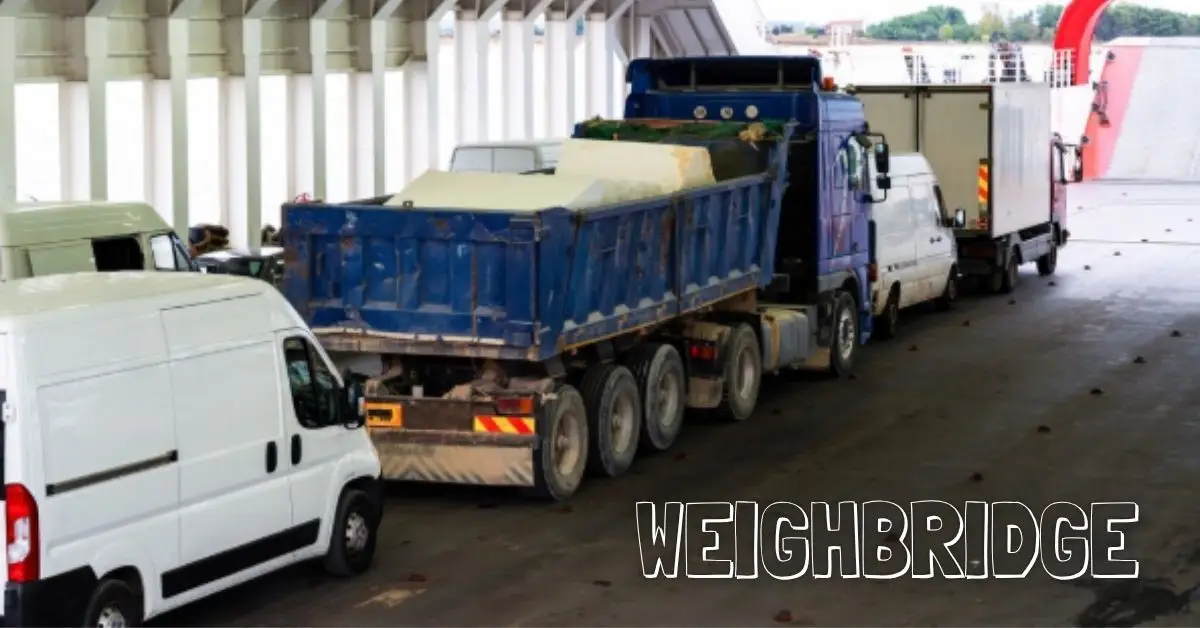
In modern transportation, logistics, mining, agriculture, and industrial supply chains, accurate weight measurement plays a crucial role in ensuring efficiency, safety, and compliance. One of the most reliable tools used for this purpose is the weighbridge, a large-scale weighing system designed to measure heavy vehicles and their loads with precision. It helps industries prevent overload issues, reduce operational losses, and maintain legal transport standards.
As global trade expands and freight movement becomes more complex, the demand for accurate vehicle weighing systems continues to grow. From highway checkpoints to industrial warehouses, weighbridges have become an essential part of infrastructure. They not only ensure fairness in trade but also protect roads and vehicles from damage caused by excess loads.
This comprehensive guide explores the technology, types, components, applications, installation practices, maintenance strategies, and benefits of modern weighbridge systems in detail.
Weighbridge Technology and Core Functionality
A weighbridge operates on the principle of measuring the total weight of a vehicle by placing it on a robust platform equipped with load cells or mechanical levers. These sensors convert force into electrical signals, which are then processed to display an accurate reading of the vehicle’s gross weight. This ensures precise measurement even for extremely heavy loads such as trucks, trailers, and industrial carriers.
The core functionality of a weighbridge lies in its ability to provide fast, reliable, and repeatable weight measurements. It eliminates manual estimation errors and helps industries maintain transparency in transactions involving bulk goods. Modern systems are often integrated with digital indicators, software management systems, and automated ticketing solutions for improved efficiency.
In many sectors, the weighbridge acts as a checkpoint for operational control. It ensures that vehicles entering or exiting a facility comply with weight regulations, reducing risks of overloading. This improves road safety and extends vehicle lifespan by preventing structural stress.
Beyond basic weighing, advanced systems also offer data storage and analytics. Businesses can track material flow, monitor dispatch efficiency, and generate reports that assist in decision-making. This makes the weighbridge not just a measuring device but a critical part of industrial data management.
Will You Check This Article: Tungsten Volfram: The Ultra-Strong Metal Powering Modern Industry
Types of Industrial Weighbridges
Industrial weighing systems come in several forms, each designed to meet specific operational needs. The most common type is the pit-mounted weighbridge, where the platform is installed at ground level. This design is space-efficient and allows vehicles to easily drive onto the platform from any direction.
Another widely used type is the surface-mounted or above-ground weighbridge. It requires ramps for vehicle access and is typically easier to install and maintain. This type is suitable for temporary setups or locations where excavation is not feasible.
Portable weighbridges are gaining popularity in remote construction sites and mining operations. These systems can be transported and installed quickly, offering flexibility for short-term projects. They are especially useful in areas where permanent infrastructure is not required.
Electronic weighbridges, equipped with load cell technology, provide higher accuracy compared to mechanical systems. They are widely used in modern industries due to their reliability, low maintenance, and ability to integrate with digital systems.
Hybrid systems combining mechanical and digital components are also used in certain industries. They offer a balance between durability and technological advancement, making them suitable for heavy-duty operations.
Key Components of a Modern Weighbridge System
A modern weighing system is composed of several critical components that work together to ensure accuracy and reliability. The primary structure is the platform, typically made of reinforced steel or concrete, designed to withstand heavy loads and continuous use.
Load cells are the most important part of the system. These sensors detect weight by converting mechanical force into electrical signals. High-quality load cells ensure precision even under extreme environmental conditions such as heat, dust, and vibration.
The junction box collects signals from multiple load cells and balances them before sending them to the indicator system. This ensures uniform weight distribution and accurate readings across the platform.
The digital indicator or controller displays the measured weight in real-time. Modern indicators often come with user-friendly interfaces, data storage capabilities, and connectivity options for printers and computers.
Additional components include ramps, safety barriers, software systems, and automation tools such as RFID readers and CCTV integration. These features enhance security, streamline operations, and reduce human intervention in the weighing process.
Applications Across Industries
The use of weighbridge systems spans across multiple industries due to their versatility and accuracy. In logistics and transportation, they are used to ensure trucks carry legal loads and avoid penalties for overloading. This improves road safety and reduces infrastructure damage.
In the mining and quarrying sector, weighbridges are essential for measuring extracted materials such as coal, gravel, and minerals. They help companies maintain accurate production records and ensure fair trade between suppliers and buyers.
Agriculture also benefits significantly from these systems. Farmers and distributors use them to measure bulk produce such as grains, fertilizers, and livestock feed. This ensures transparent transactions and reduces disputes in supply chains.
Manufacturing industries rely on weighbridges for raw material intake and finished goods dispatch. Accurate weight measurement helps in inventory control and cost management, improving overall operational efficiency.
Even waste management and recycling industries use these systems to measure collected waste materials. This helps in billing, reporting, and environmental compliance, making weighbridges a vital tool in sustainable operations.
Installation and Site Requirements
Proper installation of a weighing system requires careful planning and site evaluation. The selected location must have a strong foundation capable of supporting heavy loads without shifting or sinking over time.
Drainage is another important factor. Water accumulation under the platform can damage structural components and affect accuracy. Therefore, proper drainage channels must be installed to prevent waterlogging.
The site should also have sufficient space for vehicle movement, including entry and exit ramps if needed. Smooth traffic flow reduces waiting time and improves operational efficiency.
Electrical supply and connectivity infrastructure must be considered during installation. Modern systems often require stable power and network connections for digital operations and data management.
Finally, environmental conditions such as temperature, dust, and humidity must be assessed. Protective measures like corrosion-resistant materials and weatherproof enclosures help extend system lifespan and maintain accuracy.
Calibration, Maintenance, and Accuracy Assurance
Regular calibration is essential to maintain the accuracy of a weighing system. Over time, load cells and sensors may drift due to environmental stress or mechanical wear. Calibration ensures that readings remain precise and consistent.
Maintenance involves routine inspection of platform structure, load cells, wiring, and digital indicators. Any signs of damage or misalignment should be addressed immediately to avoid measurement errors.
Cleaning the platform regularly helps prevent debris buildup, which can affect weight distribution. Dust, mud, and industrial residues are common issues in heavy-duty environments.
Software updates and system diagnostics are also important for modern digital weighbridges. These updates improve performance, fix bugs, and enhance security features.
By implementing a structured maintenance schedule, industries can significantly extend the lifespan of their weighing systems while ensuring uninterrupted and accurate operations.
Benefits and Operational Efficiency
One of the major advantages of a weighbridge is its ability to improve operational accuracy. It eliminates guesswork and ensures that every load is measured precisely, reducing financial losses and disputes.
It also enhances regulatory compliance by ensuring vehicles adhere to legal weight limits. This reduces the risk of fines and protects infrastructure from damage caused by overloading.
Another key benefit is improved productivity. Automated systems reduce the need for manual intervention, speeding up loading and unloading processes. This is especially important in high-volume industrial environments.
Data tracking and reporting features help businesses analyze material flow and optimize logistics operations. This leads to better decision-making and cost control.
Overall, weighbridge systems contribute to safer, more efficient, and more transparent industrial operations across various sectors.
Conclusion
In today’s fast-paced industrial world, the weighbridge has become an indispensable tool for ensuring accuracy, safety, and efficiency in heavy vehicle weight measurement. From logistics and mining to agriculture and manufacturing, its applications are vast and critical to smooth operations.
With advancements in digital technology, modern systems are now more reliable, automated, and data-driven than ever before. They not only provide precise measurements but also support business intelligence and operational optimization.
As industries continue to evolve, the importance of robust weighing infrastructure will only increase, making weighbridges a cornerstone of modern industrial management.
Read More: Buzzbio.co.uk


Worldnewsresearch: Global Intelligence & News Insights

Weighbridge Systems: Complete Guide to Modern Truck Weighing

Tungsten Volfram: The Ultra-Strong Metal Powering Modern Industry

Couverture Chocolate: The Art of Premium Craft Chocolate

Tplex Expressway: Modern Highway Transformation Guide
Tungsten Volfram: The Ultra-Strong Metal Powering Modern Industry
-
 Blog10 minutes ago
Couverture Chocolate: The Art of Premium Craft Chocolate
-
 Travel7 minutes ago
Tplex Expressway: Modern Highway Transformation Guide
-
 Blog5 minutes ago
Tungsten Volfram: The Ultra-Strong Metal Powering Modern Industry
-
 News4 seconds ago
Worldnewsresearch: Global Intelligence & News Insights