
Blog
Tungsten Volfram: The Ultra-Strong Metal Powering Modern Industry

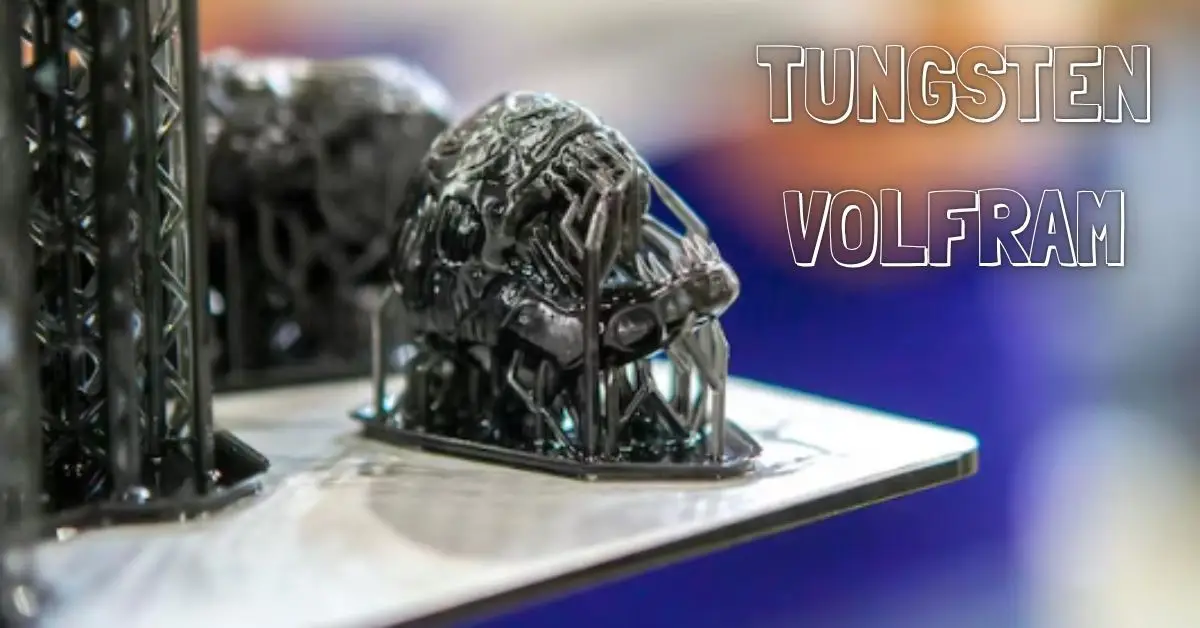
Tungsten volfram is one of the most remarkable metals known to modern science, valued for its extreme strength, heat resistance, and durability under the harshest conditions. It plays a critical role in industries that demand reliability where most other materials would fail. From aerospace engineering to electrical systems, this metal quietly supports technologies that shape our everyday lives.
What makes tungsten volfram truly fascinating is its ability to withstand temperatures that melt almost all other elements while maintaining structural integrity. This unique combination of properties has made it essential in high-performance tools, military equipment, and advanced scientific applications. As industries continue to evolve, the demand for stronger and more heat-resistant materials keeps increasing, placing tungsten at the center of innovation.
In this article, we will explore its origin, properties, extraction, applications, and future importance in global technology and engineering.
Tungsten Volfram: Origin, Naming, and Discovery
The story of tungsten volfram begins in the late 18th century when chemists first identified a new, dense mineral that behaved differently from known metals. The name “tungsten” comes from the Swedish words meaning “heavy stone,” while “volfram” is derived from the mineral wolframite, historically used in its extraction. Both names are used interchangeably in scientific and industrial contexts today.
Early researchers such as the Elhuyar brothers successfully isolated the element in 1783, marking a breakthrough in metallurgy. Their discovery revealed a metal with extraordinary density and melting characteristics that surpassed iron, copper, and even steel. This opened a new chapter in material science, influencing engineering for centuries to come.
Over time, tungsten volfram gained attention for its unique atomic structure, which contributes to its exceptional strength. It became a symbol of advanced metallurgy, particularly during industrial revolutions where durable materials were in high demand.
The dual naming system reflects its global scientific journey, with “tungsten” commonly used in English-speaking countries and “volfram” in many European regions. This dual identity continues to highlight its international importance in industry and research.
Will You Check This Article: Tplex Expressway: Modern Highway Transformation Guide
Physical and Chemical Properties of Tungsten Volfram
One of the most defining characteristics of tungsten volfram is its extremely high melting point, which is the highest of all metals. It can withstand temperatures above 3,400°C, making it ideal for applications involving intense heat and pressure. This property alone makes it irreplaceable in many industrial processes.
The metal also has remarkable density and hardness, contributing to its ability to resist wear and deformation. Its atomic structure is tightly packed, which gives it strength comparable to high-grade steels while maintaining stability under extreme conditions. This combination is rare among natural elements.
Chemically, tungsten volfram is highly resistant to corrosion and oxidation at room temperature. However, when exposed to very high temperatures, it can form compounds with oxygen and other elements. This controlled reactivity makes it useful in specialized chemical and manufacturing environments.
Its electrical conductivity is another important feature, although it is not as conductive as copper or silver. Still, its stability under heat makes it valuable in electrical applications where durability matters more than conductivity efficiency.
Production, Mining, and Refining Processes
The extraction of tungsten volfram begins with mining ores such as wolframite and scheelite, which are the primary natural sources. These ores are typically found in countries with rich mineral deposits, including China, Russia, and parts of South America. The mining process involves crushing and concentrating the ore to extract tungsten compounds.
Once extracted, the ore undergoes a complex refining process to separate tungsten from impurities. This usually involves chemical treatments that convert the ore into tungsten oxide, which is then reduced using hydrogen or carbon to produce pure metal powder. The process requires high precision to maintain quality and purity.
Industrial production often includes powder metallurgy techniques, where tungsten powder is compressed and sintered at extremely high temperatures. This allows manufacturers to shape it into rods, sheets, or specialized components used in heavy industries.
Due to its high melting point, conventional melting methods are ineffective, making powder-based production the most efficient approach. This contributes to both the cost and value of tungsten volfram in global markets.
Industrial Applications in Heavy Machinery and Tools
Tungsten volfram is widely used in heavy machinery due to its exceptional hardness and wear resistance. Cutting tools, drill bits, and mining equipment often rely on tungsten-based materials to maintain performance under extreme stress. Its durability significantly extends the lifespan of industrial tools.
In construction and manufacturing, tungsten alloys are used in components that face continuous friction and mechanical load. This includes machine parts, bearings, and high-strength fasteners. The metal ensures efficiency and reduces maintenance costs over time.
Another major application is in metalworking tools, where tungsten carbide coatings are used to enhance cutting precision. These tools can cut through steel and other hard materials without losing sharpness quickly, making them essential in modern manufacturing.
Its resistance to deformation also makes tungsten volfram valuable in environments where mechanical stability is crucial, such as aerospace engineering and automotive production systems.
Role in Electronics, Lighting, and Filaments
One of the earliest widespread uses of tungsten volfram was in incandescent light bulb filaments. Its ability to glow without melting made it the perfect material for early lighting technology. Even today, specialized lighting systems still rely on tungsten filaments for their reliability.
In electronics, tungsten is used in components such as electrodes, vacuum tubes, and semiconductor devices. Its stability under high temperatures allows it to function efficiently in environments where other metals would fail.
The metal also plays a role in microelectronics, where precision and thermal resistance are essential. Tungsten connections help maintain stable electrical pathways in integrated circuits and high-performance chips.
Although modern LED technology has replaced many traditional lighting systems, tungsten volfram remains important in specialized lighting applications such as cinema projectors, scientific instruments, and high-intensity lamps.
Tungsten Carbide and Advanced Alloy Engineering
Tungsten carbide is one of the hardest materials known, created by combining tungsten volfram with carbon atoms. This compound is widely used in cutting tools, abrasives, and industrial machinery due to its exceptional hardness and wear resistance.
In alloy engineering, tungsten is mixed with other metals such as steel, nickel, or cobalt to create materials that can withstand extreme environments. These alloys are commonly used in aerospace components, military equipment, and high-performance engines.
The addition of tungsten improves the strength, heat resistance, and durability of alloys, making them suitable for demanding applications. Engineers often rely on tungsten-based alloys when designing systems that must operate under high stress.
The development of tungsten carbide has revolutionized manufacturing industries by enabling faster, more precise, and more efficient machining processes.
Nuclear, Medical, and Defense Applications of tungsten volfram
In nuclear technology, tungsten volfram is used for radiation shielding due to its high density. It effectively absorbs X-rays and gamma radiation, making it valuable in nuclear reactors and radiation protection systems.
Medical applications include its use in imaging equipment and radiation therapy devices. Tungsten components help protect both patients and medical staff by controlling radiation exposure during diagnostic procedures.
In the defense sector, tungsten is used in armor-piercing ammunition and military-grade equipment. Its density and hardness allow it to penetrate tough materials, making it strategically important in defense technology.
Additionally, tungsten volfram is used in spacecraft components and aerospace shielding, where resistance to radiation and extreme temperatures is essential for mission success.
Conclusion
The future of tungsten volfram looks increasingly important as industries continue to demand stronger, more heat-resistant, and more reliable materials. Its unmatched combination of density, melting point, and durability ensures its continued relevance in advanced engineering fields.
From electronics and aerospace to medical and defense systems, tungsten volfram remains a foundational material supporting innovation and technological progress. As new manufacturing techniques evolve, its applications are expected to expand even further, securing its role as one of the most valuable industrial metals in the world.
Read More: Buzzbio.co.uk
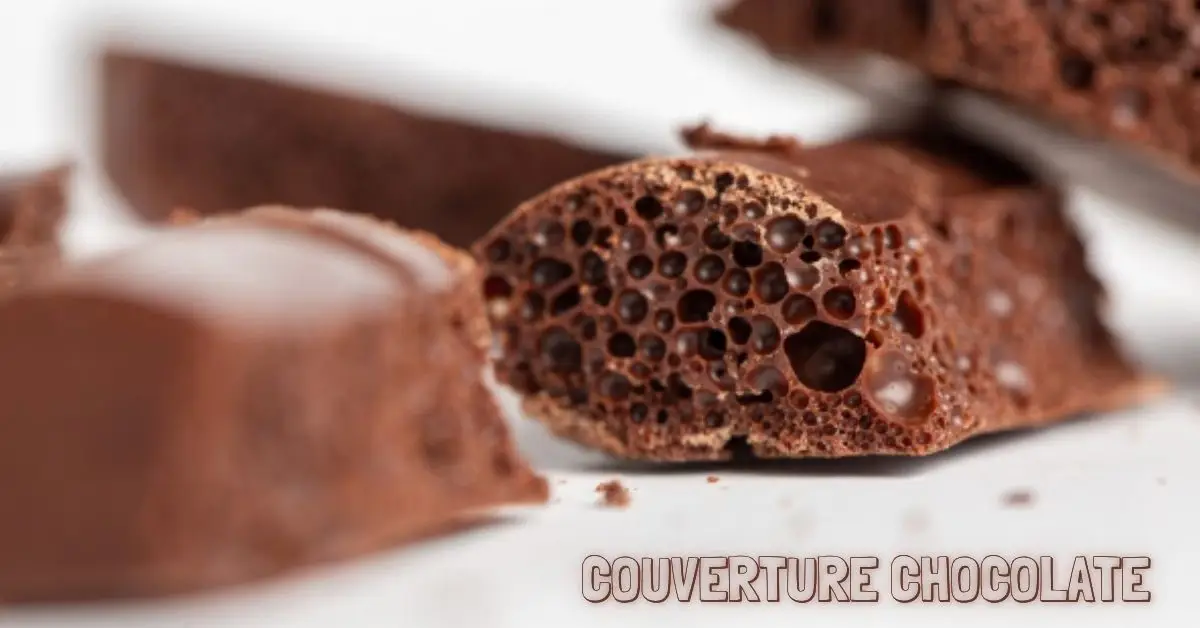
Chocolate has evolved from a simple sweet indulgence into a refined culinary craft ingredient that defines modern pastry artistry. Among the many forms of chocolate used by professionals, one stands above the rest in terms of quality, texture, and performance. That is where couverture chocolate becomes essential in gourmet kitchens and artisanal confectionery.
This premium chocolate is known for its high cocoa butter content, smooth melting behavior, and exceptional gloss when properly tempered. Chefs and chocolatiers rely on it not just for taste but also for its structural precision in desserts. Understanding its properties opens the door to mastering professional-level chocolate work.
In today’s culinary world, precision and consistency matter more than ever. Whether it is creating delicate truffles, elegant glazes, or molded pralines, the choice of chocolate can make or break the final result. This is why learning about couverture chocolate is crucial for anyone serious about pastry arts.
From its origins in European chocolate-making traditions to its refined modern production standards, it represents the highest tier of chocolate craftsmanship. Its balance of flavor, texture, and workability sets it apart from ordinary baking chocolate.
This article explores its science, usage, and techniques in depth, helping you understand why professionals consider it indispensable in fine dessert creation.
Will You Check This Article: Appost.co.uk
Understanding Couverture Chocolate: Origins and Definition
Couverture chocolate is a high-quality chocolate designed specifically for coating, molding, and enrobing confections. Its defining feature is its high percentage of cocoa butter, typically exceeding 31%, which allows it to melt smoothly and set with a glossy finish. This composition is what gives it a fluid consistency ideal for professional pastry applications.
Historically, chocolate couverture emerged in Europe as chocolatiers sought a superior medium for crafting elegant sweets. Unlike standard baking chocolate, it was developed to provide better texture, shine, and snap when cooled. Over time, it became a staple in French patisseries and Belgian chocolate houses, setting the global standard for premium chocolate work.
The term itself comes from the French word “couverture,” meaning “covering,” which reflects its primary use in coating desserts and pralines. Today, it is widely regarded as the benchmark for luxury chocolate in culinary arts.
Couverture chocolate is not just about taste—it is about performance. Its carefully balanced formulation ensures that it behaves predictably during melting and tempering. This makes it essential for chefs who require precision in every stage of dessert preparation.
In essence, it bridges the gap between flavor and function, offering both sensory richness and technical reliability in professional kitchens.
Cocoa Butter Composition and Structural Excellence
The defining characteristic of couverture chocolate is its high cocoa butter content, which significantly impacts its texture and melting behavior. Cocoa butter is a natural fat extracted from cocoa beans, and it plays a crucial role in determining how chocolate behaves when heated or cooled. The higher the cocoa butter percentage, the smoother and more fluid the chocolate becomes.
This elevated fat content allows couverture to flow effortlessly when melted, making it ideal for dipping, coating, and molding. Once properly tempered, it solidifies into a glossy surface with a firm snap, which is highly desirable in professional confectionery. This structural integrity is what separates it from compound chocolates, which often rely on vegetable fats.
Another important aspect is mouthfeel. Couverture chocolate delivers a clean, silky sensation that melts evenly on the palate. This is due to the precise crystallization of cocoa butter during tempering, which creates a stable structure without graininess or waxy residue.
From a production standpoint, manufacturers carefully refine cocoa solids and cocoa butter ratios to ensure consistency. This balance not only enhances flavor but also ensures that chocolatiers can work with predictable results across different applications.
Ultimately, its composition is what makes it a luxury ingredient, valued for both its sensory quality and technical performance.
Tempering Science and Crystal Formation Mastery
Tempering is the most critical process when working with couverture chocolate, as it determines the final texture, shine, and stability of the product. The process involves carefully heating and cooling chocolate to encourage the formation of stable cocoa butter crystals.
Cocoa butter can form multiple crystal structures, but only one—known as the beta crystal form—produces the ideal glossy finish and firm snap. Achieving this structure requires precision, as even slight temperature variations can affect the outcome. This is why tempering is considered both an art and a science in professional pastry work.
When couverture chocolate is properly tempered, it becomes smooth, stable, and resistant to bloom, which is the whitish discoloration caused by fat separation. This stability ensures that chocolates maintain their appearance and texture over time, even in varying storage conditions.
There are several methods of tempering, including tabling, seeding, and machine tempering. Each method aims to guide the cocoa butter into forming uniform crystals while eliminating unstable ones. The result is a chocolate that not only looks polished but also breaks cleanly and melts evenly.
Mastering tempering is essential for anyone working with premium chocolate because it directly influences both aesthetics and performance.
Culinary Applications in Pastry and Confectionery with Couverture Chocolate
The versatility of couverture chocolate makes it a cornerstone of modern pastry arts. It is widely used in creating pralines, truffles, bonbons, and molded chocolates due to its ability to set with a smooth, glossy finish. Its fluidity when melted allows chefs to create intricate designs and delicate coatings.
In patisserie, it is often used for glazing cakes and pastries, giving them a professional and luxurious appearance. The high cocoa butter content ensures an even coating that enhances both flavor and presentation. When used correctly, it elevates simple desserts into gourmet creations.
Another major application is enrobing, where confectionery centers such as nuts, caramel, or ganache are dipped in a layer of couverture chocolate. This creates a crisp outer shell that contrasts beautifully with soft or chewy interiors.
It is also used in decorative work, including chocolate curls, shards, and artistic garnishes. Its ability to hold shape after tempering makes it ideal for sculptural dessert elements.
In essence, its applications extend far beyond taste, playing a central role in the visual artistry of modern desserts.
Working Techniques for Smooth Results with Couverture Chocolate
Working with couverture chocolate requires precision, patience, and an understanding of temperature control. Even minor errors can affect its texture and appearance, making technique a crucial part of success. Proper melting is the first step, and it must be done gently to avoid scorching the cocoa solids.
Once melted, the chocolate must be tempered correctly to achieve stability. This process ensures that the final product has a glossy finish and a satisfying snap. Professionals often rely on thermometers and controlled environments to maintain accuracy throughout the process.
Handling tools also play an important role. Clean, dry utensils are essential because even small amounts of water can cause chocolate to seize. Maintaining a controlled workspace helps ensure that couverture chocolate remains smooth and workable.
Another important technique is agitation during cooling, which encourages uniform crystal formation. Stirring at the right stages ensures that the chocolate maintains its structure and avoids graininess.
Ultimately, mastering these techniques transforms chocolate work from basic preparation into refined culinary craftsmanship.
Storage, Shelf Life, and Handling Practices
Proper storage is essential for preserving the quality of couverture chocolate. It should be kept in a cool, dry environment away from direct sunlight and strong odors. The ideal temperature range is typically between 15°C and 20°C, ensuring that the cocoa butter remains stable.
Humidity is one of the biggest threats to chocolate quality. Exposure to moisture can lead to sugar bloom, where sugar crystals rise to the surface and create a rough texture. This does not affect safety but significantly reduces visual appeal.
When stored correctly, couverture chocolate can have a long shelf life, often extending up to two years. However, its quality is best when used within recommended freshness periods to preserve flavor intensity and aroma.
Handling practices also matter during storage and use. Chocolate should always be sealed properly after opening to prevent exposure to air and contaminants. Temperature fluctuations should be avoided as they can disrupt the crystalline structure.
By maintaining proper storage conditions, chocolatiers can ensure consistent performance and high-quality results in every application.
Flavor Pairings and Modern Innovations in Couverture Chocolate
One of the most exciting aspects of couverture chocolate is its adaptability in flavor pairing. Its rich cocoa profile complements a wide range of ingredients, including fruits like raspberry, orange, and passion fruit, as well as spices such as cinnamon and cardamom. These combinations enhance complexity and create layered tasting experiences.
In modern gastronomy, chefs are experimenting with unconventional pairings, blending chocolate with savory elements like sea salt, olive oil, and even cheese. These innovations highlight the versatility of premium chocolate in contemporary cuisine.
Another growing trend is the use of flavored infusions in couverture chocolate, such as matcha, coffee, or floral essences. These additions expand its sensory profile while maintaining its structural integrity.
Technological advancements in chocolate production have also improved consistency and sustainability. Ethical sourcing of cocoa beans and improved refining techniques ensure better flavor and environmental responsibility.
As culinary creativity continues to evolve, couverture chocolate remains at the center of innovation, bridging tradition with modern experimentation.
Conclusion
The enduring popularity of couverture chocolate lies in its perfect balance of taste, texture, and technical performance. It is not merely an ingredient but a foundation of professional pastry craftsmanship, enabling chefs to create desserts that are both visually stunning and deeply flavorful.
From its carefully controlled cocoa butter content to its precise tempering requirements, every aspect of couverture chocolate reflects a commitment to quality and excellence. Its role in modern confectionery continues to expand as chefs explore new techniques and flavor combinations.
Ultimately, it represents the pinnacle of chocolate artistry, offering unmatched versatility in both traditional and innovative culinary applications.
Read More: Buzzbio.co.uk

Worldnewsresearch: Global Intelligence & News Insights

Weighbridge Systems: Complete Guide to Modern Truck Weighing

Tungsten Volfram: The Ultra-Strong Metal Powering Modern Industry

Couverture Chocolate: The Art of Premium Craft Chocolate

Tplex Expressway: Modern Highway Transformation Guide
Tungsten Volfram: The Ultra-Strong Metal Powering Modern Industry
-
 Blog56 minutes ago
Couverture Chocolate: The Art of Premium Craft Chocolate
-
 Travel53 minutes ago
Tplex Expressway: Modern Highway Transformation Guide
-
 Tech49 minutes ago
Weighbridge Systems: Complete Guide to Modern Truck Weighing
-
 News46 minutes ago
Worldnewsresearch: Global Intelligence & News Insights