
Blog
Jalbiteblog: Ultimate Guide to Digital Blogging Growth


The digital content world is evolving at a rapid pace, and platforms that offer clarity, structure, and growth opportunities are becoming essential for creators and marketers alike. In this environment, jalbiteblog has emerged as a concept that symbolizes modern blogging strategies combined with SEO-driven content development. Whether you are a beginner trying to understand online publishing or an experienced writer scaling your traffic, this guide will help you explore every dimension of growth. The focus is not just on writing content but building authority, engagement, and long-term visibility. Throughout this article, we will break down methods, strategies, and insights that define success in the blogging ecosystem shaped by jalbiteblog principles.
Jalbiteblog and Its Role in the Digital Blogging Era
The rise of jalbiteblog in digital discussions reflects a shift toward structured content ecosystems where information is not only published but strategically optimized. jalbiteblog represents a blogging mindset where quality, consistency, and SEO alignment come together. It is not just a platform idea but a framework that helps creators build sustainable traffic sources. In the modern online world, jalbiteblog serves as a reference point for understanding how blogs can evolve into authority-driven content hubs.
One of the most important aspects of jalbiteblog is its adaptability. It allows writers to adjust content strategies based on audience behavior and search engine trends. Instead of focusing solely on quantity, jalbiteblog emphasizes relevance and depth. This is why many digital creators are increasingly adopting jalbiteblog-inspired methods to refine their content approach. It helps transform basic blogging into a structured system that supports long-term growth and visibility.
At its core, jalbiteblog is about alignment between user intent and content delivery. When implemented correctly, it ensures that blogs rank higher and retain readers longer. This foundational role makes jalbiteblog a powerful concept in today’s competitive digital landscape.
Will You Check This Article: Jade Venison: Meaning, Symbolism & Modern Insights Guide
Jalbiteblog Content Strategy and SEO Foundations
A strong content strategy is the backbone of jalbiteblog, and it begins with understanding keyword intent, topical authority, and search engine behavior. jalbiteblog encourages creators to build content clusters that target specific niches rather than random topics. This ensures that every piece of content contributes to overall domain authority and ranking strength.
In jalbiteblog methodology, SEO is not an afterthought but an integrated process. From keyword placement to semantic optimization, every detail matters. Writers are encouraged to use natural language patterns while ensuring that search engines can easily interpret content relevance. This balance between readability and optimization defines the strength of jalbiteblog-driven content strategies.
Another key aspect is consistency. jalbiteblog emphasizes regular publishing schedules combined with optimized formatting. This helps search engines identify the site as active and authoritative. Over time, this consistency builds trust and improves indexing performance, making jalbiteblog a reliable framework for SEO success.
Audience Engagement Techniques on Jalbiteblog Platforms
Engagement is a critical factor in the success of any blog, and jalbiteblog places strong emphasis on creating interactive and valuable reader experiences. Instead of simply delivering information, jalbiteblog-based content aims to start conversations, encourage feedback, and build community trust.
One of the most effective techniques in jalbiteblog engagement is storytelling. By integrating relatable narratives into blog posts, creators can hold reader attention longer and reduce bounce rates. jalbiteblog encourages writers to use emotional and informational balance, ensuring content feels both human and insightful.
Additionally, jalbiteblog strategies often include structuring content in a way that improves readability. Short paragraphs, clear headings, and logical flow help users stay engaged. When combined with interactive elements like comment sections or social sharing prompts, jalbiteblog significantly enhances user retention and interaction.
SEO Architecture and Keyword Optimization in Jalbiteblog Ecosystem
The technical side of jalbiteblog revolves around SEO architecture and keyword optimization. This includes structuring websites in a way that search engines can easily crawl and understand. jalbiteblog emphasizes clean URL structures, internal linking, and semantic keyword distribution for maximum visibility.
Keyword optimization in jalbiteblog is not about repetition alone but about context. Instead of stuffing keywords, content creators are encouraged to use related phrases, synonyms, and NLP-based terms. This approach improves readability while maintaining SEO strength. jalbiteblog ensures that keyword placement feels natural and user-friendly.
Moreover, jalbiteblog supports layered optimization, where primary and secondary keywords are distributed across headings, subheadings, and body text. This helps search engines understand content hierarchy and relevance. Over time, this structured approach leads to improved ranking performance and organic traffic growth.
Monetization Opportunities Through Jalbiteblog Platforms
Monetization is a major goal for many content creators, and jalbiteblog provides multiple pathways to achieve it. From affiliate marketing to ad revenue and sponsored content, jalbiteblog-based blogs can generate consistent income when properly optimized.
One of the strongest monetization strategies within jalbiteblog is affiliate integration. By aligning content with relevant products and services, creators can naturally incorporate affiliate links without disrupting user experience. jalbiteblog ensures that monetization feels organic rather than forced, which increases conversion rates.
Additionally, jalbiteblog supports long-term monetization through authority building. As traffic grows, blogs can attract brand partnerships and premium collaborations. This makes jalbiteblog not just a content strategy but a complete digital business model for sustainable income generation.
Technical Features and User Experience Enhancements
User experience plays a crucial role in the effectiveness of jalbiteblog. A well-structured blog must load quickly, be mobile-friendly, and offer seamless navigation. jalbiteblog emphasizes technical optimization as a foundation for improving engagement and ranking.
One of the key technical elements in jalbiteblog is responsive design. With most users accessing content via mobile devices, ensuring adaptability across screens is essential. jalbiteblog also promotes fast-loading pages, optimized images, and minimal code clutter to enhance performance.
Beyond technical structure, jalbiteblog focuses on readability enhancements. This includes typography choices, spacing, and layout design that make content easier to consume. A smooth user experience leads to longer session durations and better SEO outcomes, reinforcing the value of jalbiteblog principles.
Future Trends and Digital Expansion of Jalbiteblog
The future of jalbiteblog is closely tied to advancements in AI, automation, and personalized content delivery. As digital platforms evolve, jalbiteblog is expected to integrate more intelligent systems that analyze user behavior and optimize content dynamically.
One major trend is the use of AI-driven content suggestions. jalbiteblog frameworks may soon include automated topic generation and SEO recommendations based on real-time data. This will make content creation faster and more precise while maintaining quality standards.
Another emerging direction is multimedia integration. jalbiteblog is likely to expand beyond text-based content into videos, podcasts, and interactive media formats. This diversification will help creators reach wider audiences and enhance engagement across multiple channels.
Conclusion
jalbiteblog represents more than just a blogging concept—it is a complete framework for digital success. By combining SEO strategies, audience engagement techniques, and technical optimization, jalbiteblog helps creators build powerful online platforms.
The long-term value of jalbiteblog lies in its adaptability and scalability. Whether you are a beginner or an advanced digital marketer, applying jalbiteblog principles can significantly improve visibility and growth. As the digital landscape continues to evolve, jalbiteblog will remain a key reference point for structured and sustainable blogging success.
Read More: Pointmagazine.co.uk
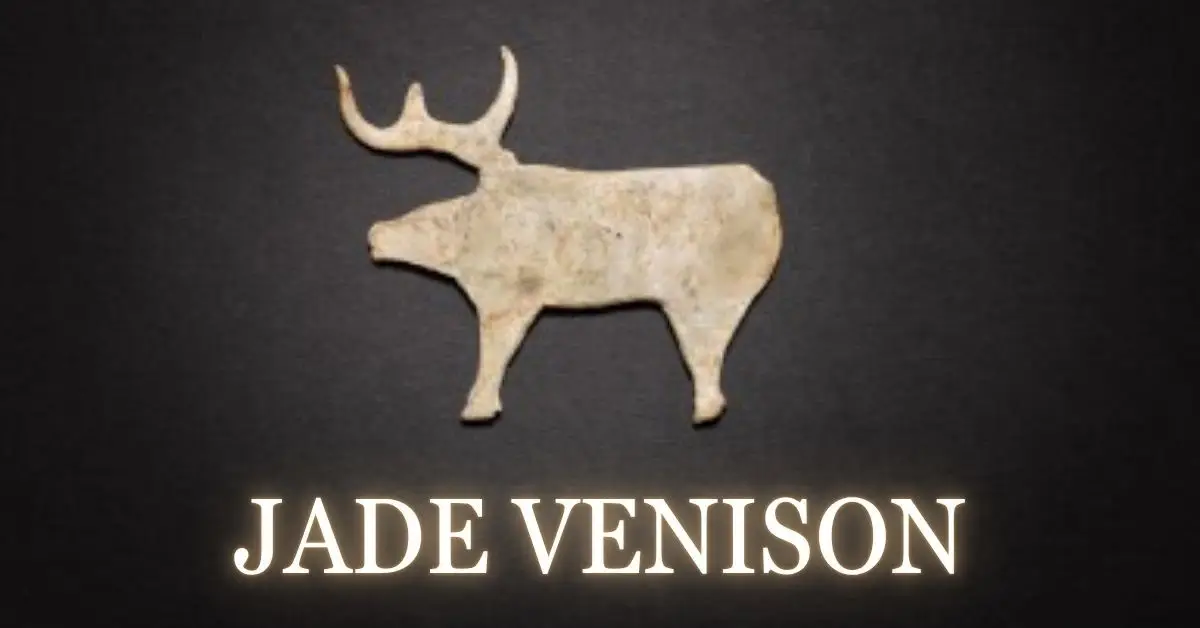
In the world of evolving ideas, symbolic language, and modern digital interpretations, certain unique phrases begin to attract curiosity due to their mysterious tone and layered meaning. One such intriguing term is jade venison, which blends natural imagery with cultural symbolism in a way that invites deeper exploration. At first glance, it may appear abstract, yet it carries conceptual weight depending on context, interpretation, and creative usage.
The phrase jade venison often appears in discussions involving metaphorical thinking, artistic expression, and branding concepts where meaning is intentionally fluid rather than fixed. This flexibility allows it to adapt across multiple domains, from literature to digital storytelling. In today’s interconnected environment, such hybrid expressions gain attention because they spark imagination and interpretation.
Understanding jade venison requires more than a literal approach; it demands a layered perspective that considers symbolism, linguistic evolution, and creative adaptation. This article explores its conceptual depth, cultural echoes, and modern relevance across different fields.
By breaking down its origins, meanings, and applications, we can better appreciate why jade venison continues to appear in discussions that value creativity, ambiguity, and expressive identity.
Understanding Jade Venison in Modern Perspective
The term jade venison can be interpreted as a fusion of natural symbolism and conceptual storytelling. “Jade” often represents purity, harmony, and value, while “venison” evokes nature, wilderness, and primal sustenance. Together, they form a phrase that feels both grounded and imaginative.
In modern interpretation, jade venison is not confined to a literal meaning. Instead, it is used in creative writing and abstract discussion to represent balance between refinement and raw natural energy. This duality makes it appealing in artistic and philosophical contexts where contrast creates depth.
Many digital creators use jade venison as a metaphor for harmony between civilization and nature. It reflects the idea that human progress and natural instincts can coexist rather than oppose each other. This perspective gives the phrase emotional and conceptual richness.
In branding and conceptual design, jade venison may also represent exclusivity or uniqueness. Because it is uncommon, it naturally draws attention and invites curiosity, making it suitable for identity-driven projects.
Ultimately, jade venison in modern perspective serves as a symbolic bridge between elegance and wilderness, structure and instinct, refinement and raw authenticity.
Will You Check This Article: Creditlord: Smart Credit Management for Modern Finance
Historical and Conceptual Origins Behind the Term
While jade venison does not originate from a specific historical record, its components—jade and venison—carry deep historical significance across cultures. Jade has been valued in Eastern civilizations for thousands of years as a symbol of purity, protection, and spiritual harmony.
Venison, on the other hand, has historically been associated with nobility and survival. In medieval traditions, deer meat was often reserved for royalty or elite hunters, symbolizing both status and connection to the wild.
When combined conceptually as jade venison, the phrase becomes a modern synthesis of these historical meanings. It reflects how contemporary language often merges symbolic elements from different eras to create new expressions.
This blending of ideas is common in modern conceptual language, where meaning is not inherited but constructed. Jade venison fits into this tradition of hybrid symbolism, where words are repurposed to evoke emotion rather than define strict definitions.
Over time, such combinations become part of digital culture, especially in creative communities that value originality and interpretive freedom.
Symbolism, Myth, and Cultural Interpretations
The symbolic nature of jade venison allows it to be interpreted in multiple ways depending on cultural lens and creative intent. Jade represents serenity, wisdom, and balance in many Eastern philosophies, while venison symbolizes instinct, survival, and natural cycles.
When viewed together, jade venison can symbolize the harmony between intellect and instinct. It suggests that human beings are both refined thinkers and natural survivors, shaped by both culture and environment.
In mythological interpretation, jade venison could represent a mythical resource or sacred concept tied to nature’s hidden treasures. Such symbolic constructs often appear in storytelling traditions where imagination defines meaning more than reality.
Different cultures may also interpret jade venison as a metaphor for transformation. Jade reflects refinement through pressure, while venison reflects life shaped by movement and wilderness. Combined, they suggest growth through experience.
This symbolic flexibility makes jade venison a powerful conceptual tool in literature, art, and philosophical discourse.
Artistic Representations and Creative Influence
Artists and writers often gravitate toward abstract terms like jade venison because they provide creative freedom without rigid boundaries. In visual art, it might inspire imagery combining lush green tones with forest landscapes and organic forms.
In literature, jade venison can function as a metaphor for characters who embody both sophistication and primal strength. This duality allows writers to explore internal conflict and identity development in symbolic ways.
Music and digital art communities may also use jade venison as an aesthetic theme, representing calm intensity or natural elegance. The phrase evokes sensory contrast, making it ideal for atmospheric creation.
Designers might interpret jade venison as a branding motif, using jade-like colors paired with earthy textures to communicate authenticity and premium natural identity.
Overall, jade venison serves as a flexible creative anchor that encourages experimentation across multiple artistic disciplines.
Psychological and Philosophical Associations
From a psychological perspective, jade venison can represent the balance between the conscious mind and instinctual behavior. Jade reflects clarity and controlled thought, while venison reflects instinct and survival-driven impulses.
This dual symbolism aligns with theories of human behavior that emphasize the interaction between rational decision-making and emotional instinct. Jade venison becomes a metaphor for internal balance.
Philosophically, it can be linked to the idea of duality found in many belief systems. The refined and the wild are not opposites but interconnected forces that define human experience.
In this sense, jade venison reflects personal growth through integration rather than separation. It suggests that harmony is achieved not by eliminating instincts but by understanding them.
Such interpretations make jade venison a useful conceptual tool in discussions about identity, self-awareness, and psychological balance.
Digital Era Usage and Online Popularity Trends
In the digital era, unique and abstract terms like jade venison gain traction through social media, forums, and creative platforms. Their ambiguity makes them adaptable for memes, storytelling, and conceptual branding.
Jade venison is often used in online spaces to represent aesthetic identity or thematic creativity. Because it is not tied to a fixed definition, users can assign their own meaning to it.
This flexibility is especially valuable in digital branding, where originality and memorability are key. A phrase like jade venison stands out because it is uncommon yet evocative.
Search trends also show that abstract keyword combinations often gain attention due to curiosity-driven exploration. People encounter the phrase and seek meaning, contributing to its organic spread.
As a result, jade venison becomes part of a broader trend where language evolves through community interpretation rather than formal definition.
Practical Relevance in Modern Content and Branding
In modern content creation, jade venison can serve as a powerful branding or storytelling element. Its uniqueness makes it ideal for projects that aim to stand out in saturated digital environments.
Brands may use jade venison as a conceptual identity to represent luxury rooted in nature, or authenticity combined with refinement. This dual appeal helps create emotional connection with audiences.
In marketing, abstract terms like jade venison allow flexibility in messaging. They can adapt to different narratives without losing their core symbolic essence.
Content creators may also use jade venison as a thematic anchor for blogs, videos, or artistic series. It provides a central idea that can be interpreted in multiple ways.
Ultimately, its practical value lies not in literal meaning but in its ability to inspire interpretation and engagement.
Jade Venison: Meaning, Symbolism & Modern Insights Guide
jade venison stands as a modern symbolic expression that blends natural imagery with conceptual depth. While it does not have a fixed definition, its strength lies in interpretation, creativity, and adaptability across different contexts.
By exploring jade venison through historical, artistic, psychological, and digital perspectives, we see how it functions as more than just a phrase—it becomes a flexible idea shaped by imagination.
Its continued use in creative and digital spaces reflects the growing importance of abstract language in modern communication. As a symbol, jade venison represents harmony between refinement and wilderness, thought and instinct, tradition and innovation.
Ultimately, jade venison reminds us that meaning is not always found—it is often created.
Read More: Pointmagazine.co.uk
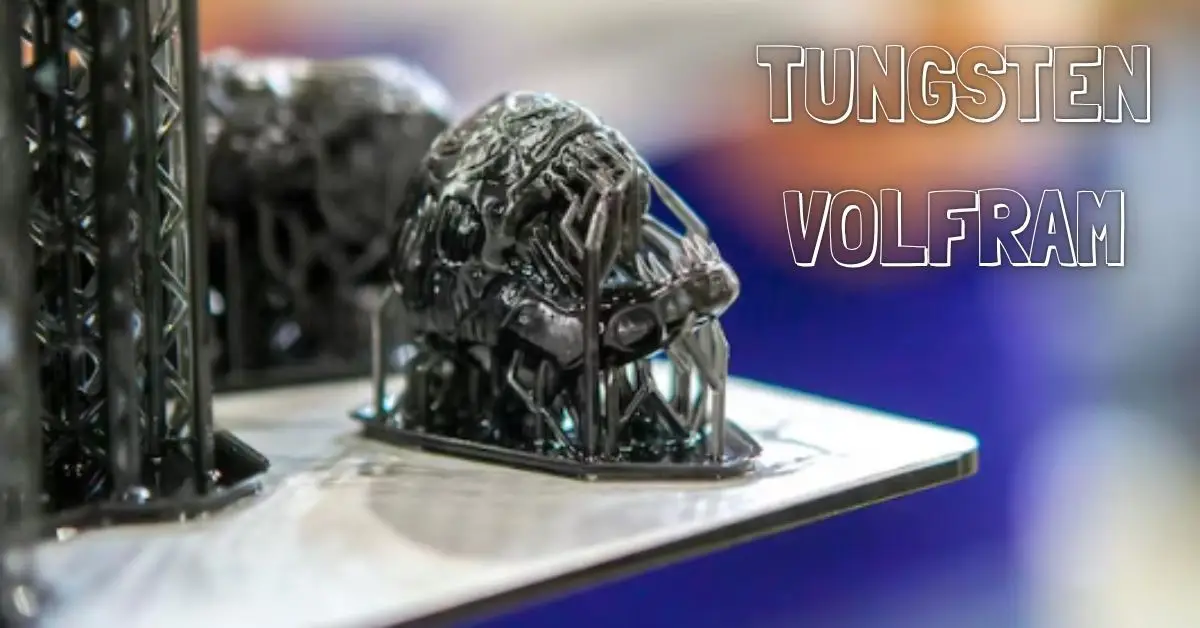
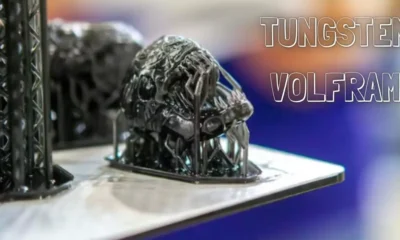
Tungsten volfram is one of the most remarkable metals known to modern science, valued for its extreme strength, heat resistance, and durability under the harshest conditions. It plays a critical role in industries that demand reliability where most other materials would fail. From aerospace engineering to electrical systems, this metal quietly supports technologies that shape our everyday lives.
What makes tungsten volfram truly fascinating is its ability to withstand temperatures that melt almost all other elements while maintaining structural integrity. This unique combination of properties has made it essential in high-performance tools, military equipment, and advanced scientific applications. As industries continue to evolve, the demand for stronger and more heat-resistant materials keeps increasing, placing tungsten at the center of innovation.
In this article, we will explore its origin, properties, extraction, applications, and future importance in global technology and engineering.
Tungsten Volfram: Origin, Naming, and Discovery
The story of tungsten volfram begins in the late 18th century when chemists first identified a new, dense mineral that behaved differently from known metals. The name “tungsten” comes from the Swedish words meaning “heavy stone,” while “volfram” is derived from the mineral wolframite, historically used in its extraction. Both names are used interchangeably in scientific and industrial contexts today.
Early researchers such as the Elhuyar brothers successfully isolated the element in 1783, marking a breakthrough in metallurgy. Their discovery revealed a metal with extraordinary density and melting characteristics that surpassed iron, copper, and even steel. This opened a new chapter in material science, influencing engineering for centuries to come.
Over time, tungsten volfram gained attention for its unique atomic structure, which contributes to its exceptional strength. It became a symbol of advanced metallurgy, particularly during industrial revolutions where durable materials were in high demand.
The dual naming system reflects its global scientific journey, with “tungsten” commonly used in English-speaking countries and “volfram” in many European regions. This dual identity continues to highlight its international importance in industry and research.
Will You Check This Article: Tplex Expressway: Modern Highway Transformation Guide
Physical and Chemical Properties of Tungsten Volfram
One of the most defining characteristics of tungsten volfram is its extremely high melting point, which is the highest of all metals. It can withstand temperatures above 3,400°C, making it ideal for applications involving intense heat and pressure. This property alone makes it irreplaceable in many industrial processes.
The metal also has remarkable density and hardness, contributing to its ability to resist wear and deformation. Its atomic structure is tightly packed, which gives it strength comparable to high-grade steels while maintaining stability under extreme conditions. This combination is rare among natural elements.
Chemically, tungsten volfram is highly resistant to corrosion and oxidation at room temperature. However, when exposed to very high temperatures, it can form compounds with oxygen and other elements. This controlled reactivity makes it useful in specialized chemical and manufacturing environments.
Its electrical conductivity is another important feature, although it is not as conductive as copper or silver. Still, its stability under heat makes it valuable in electrical applications where durability matters more than conductivity efficiency.
Production, Mining, and Refining Processes
The extraction of tungsten volfram begins with mining ores such as wolframite and scheelite, which are the primary natural sources. These ores are typically found in countries with rich mineral deposits, including China, Russia, and parts of South America. The mining process involves crushing and concentrating the ore to extract tungsten compounds.
Once extracted, the ore undergoes a complex refining process to separate tungsten from impurities. This usually involves chemical treatments that convert the ore into tungsten oxide, which is then reduced using hydrogen or carbon to produce pure metal powder. The process requires high precision to maintain quality and purity.
Industrial production often includes powder metallurgy techniques, where tungsten powder is compressed and sintered at extremely high temperatures. This allows manufacturers to shape it into rods, sheets, or specialized components used in heavy industries.
Due to its high melting point, conventional melting methods are ineffective, making powder-based production the most efficient approach. This contributes to both the cost and value of tungsten volfram in global markets.
Industrial Applications in Heavy Machinery and Tools
Tungsten volfram is widely used in heavy machinery due to its exceptional hardness and wear resistance. Cutting tools, drill bits, and mining equipment often rely on tungsten-based materials to maintain performance under extreme stress. Its durability significantly extends the lifespan of industrial tools.
In construction and manufacturing, tungsten alloys are used in components that face continuous friction and mechanical load. This includes machine parts, bearings, and high-strength fasteners. The metal ensures efficiency and reduces maintenance costs over time.
Another major application is in metalworking tools, where tungsten carbide coatings are used to enhance cutting precision. These tools can cut through steel and other hard materials without losing sharpness quickly, making them essential in modern manufacturing.
Its resistance to deformation also makes tungsten volfram valuable in environments where mechanical stability is crucial, such as aerospace engineering and automotive production systems.
Role in Electronics, Lighting, and Filaments
One of the earliest widespread uses of tungsten volfram was in incandescent light bulb filaments. Its ability to glow without melting made it the perfect material for early lighting technology. Even today, specialized lighting systems still rely on tungsten filaments for their reliability.
In electronics, tungsten is used in components such as electrodes, vacuum tubes, and semiconductor devices. Its stability under high temperatures allows it to function efficiently in environments where other metals would fail.
The metal also plays a role in microelectronics, where precision and thermal resistance are essential. Tungsten connections help maintain stable electrical pathways in integrated circuits and high-performance chips.
Although modern LED technology has replaced many traditional lighting systems, tungsten volfram remains important in specialized lighting applications such as cinema projectors, scientific instruments, and high-intensity lamps.
Tungsten Carbide and Advanced Alloy Engineering
Tungsten carbide is one of the hardest materials known, created by combining tungsten volfram with carbon atoms. This compound is widely used in cutting tools, abrasives, and industrial machinery due to its exceptional hardness and wear resistance.
In alloy engineering, tungsten is mixed with other metals such as steel, nickel, or cobalt to create materials that can withstand extreme environments. These alloys are commonly used in aerospace components, military equipment, and high-performance engines.
The addition of tungsten improves the strength, heat resistance, and durability of alloys, making them suitable for demanding applications. Engineers often rely on tungsten-based alloys when designing systems that must operate under high stress.
The development of tungsten carbide has revolutionized manufacturing industries by enabling faster, more precise, and more efficient machining processes.
Nuclear, Medical, and Defense Applications of tungsten volfram
In nuclear technology, tungsten volfram is used for radiation shielding due to its high density. It effectively absorbs X-rays and gamma radiation, making it valuable in nuclear reactors and radiation protection systems.
Medical applications include its use in imaging equipment and radiation therapy devices. Tungsten components help protect both patients and medical staff by controlling radiation exposure during diagnostic procedures.
In the defense sector, tungsten is used in armor-piercing ammunition and military-grade equipment. Its density and hardness allow it to penetrate tough materials, making it strategically important in defense technology.
Additionally, tungsten volfram is used in spacecraft components and aerospace shielding, where resistance to radiation and extreme temperatures is essential for mission success.
Conclusion
The future of tungsten volfram looks increasingly important as industries continue to demand stronger, more heat-resistant, and more reliable materials. Its unmatched combination of density, melting point, and durability ensures its continued relevance in advanced engineering fields.
From electronics and aerospace to medical and defense systems, tungsten volfram remains a foundational material supporting innovation and technological progress. As new manufacturing techniques evolve, its applications are expected to expand even further, securing its role as one of the most valuable industrial metals in the world.
Read More: Buzzbio.co.uk
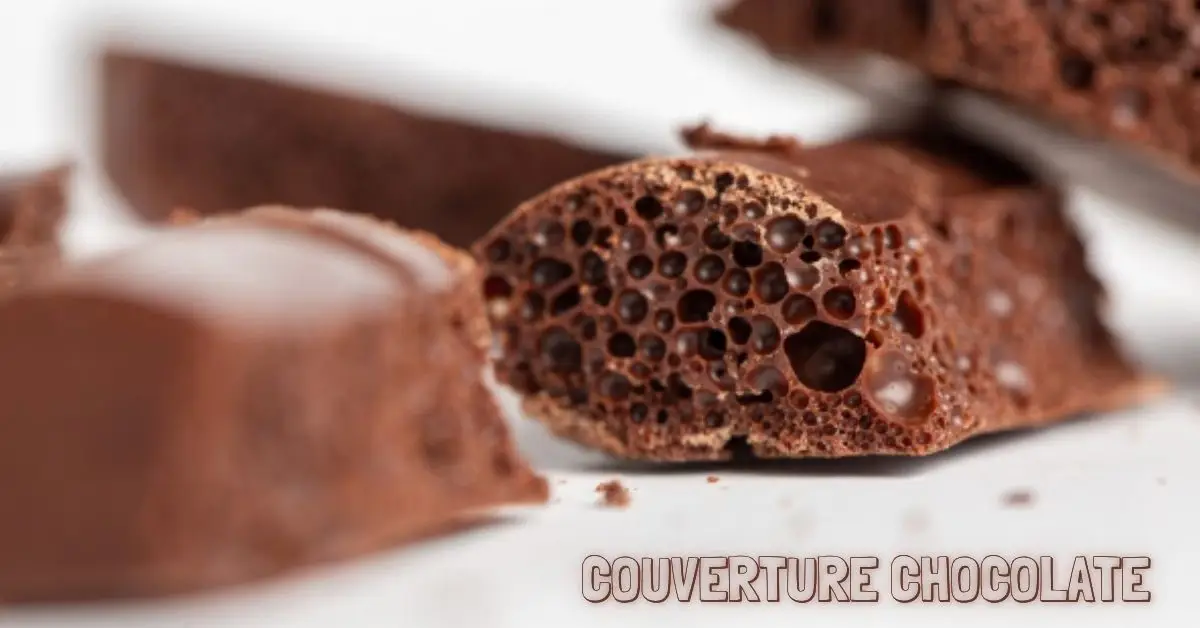
Chocolate has evolved from a simple sweet indulgence into a refined culinary craft ingredient that defines modern pastry artistry. Among the many forms of chocolate used by professionals, one stands above the rest in terms of quality, texture, and performance. That is where couverture chocolate becomes essential in gourmet kitchens and artisanal confectionery.
This premium chocolate is known for its high cocoa butter content, smooth melting behavior, and exceptional gloss when properly tempered. Chefs and chocolatiers rely on it not just for taste but also for its structural precision in desserts. Understanding its properties opens the door to mastering professional-level chocolate work.
In today’s culinary world, precision and consistency matter more than ever. Whether it is creating delicate truffles, elegant glazes, or molded pralines, the choice of chocolate can make or break the final result. This is why learning about couverture chocolate is crucial for anyone serious about pastry arts.
From its origins in European chocolate-making traditions to its refined modern production standards, it represents the highest tier of chocolate craftsmanship. Its balance of flavor, texture, and workability sets it apart from ordinary baking chocolate.
This article explores its science, usage, and techniques in depth, helping you understand why professionals consider it indispensable in fine dessert creation.
Will You Check This Article: Appost.co.uk
Understanding Couverture Chocolate: Origins and Definition
Couverture chocolate is a high-quality chocolate designed specifically for coating, molding, and enrobing confections. Its defining feature is its high percentage of cocoa butter, typically exceeding 31%, which allows it to melt smoothly and set with a glossy finish. This composition is what gives it a fluid consistency ideal for professional pastry applications.
Historically, chocolate couverture emerged in Europe as chocolatiers sought a superior medium for crafting elegant sweets. Unlike standard baking chocolate, it was developed to provide better texture, shine, and snap when cooled. Over time, it became a staple in French patisseries and Belgian chocolate houses, setting the global standard for premium chocolate work.
The term itself comes from the French word “couverture,” meaning “covering,” which reflects its primary use in coating desserts and pralines. Today, it is widely regarded as the benchmark for luxury chocolate in culinary arts.
Couverture chocolate is not just about taste—it is about performance. Its carefully balanced formulation ensures that it behaves predictably during melting and tempering. This makes it essential for chefs who require precision in every stage of dessert preparation.
In essence, it bridges the gap between flavor and function, offering both sensory richness and technical reliability in professional kitchens.
Cocoa Butter Composition and Structural Excellence
The defining characteristic of couverture chocolate is its high cocoa butter content, which significantly impacts its texture and melting behavior. Cocoa butter is a natural fat extracted from cocoa beans, and it plays a crucial role in determining how chocolate behaves when heated or cooled. The higher the cocoa butter percentage, the smoother and more fluid the chocolate becomes.
This elevated fat content allows couverture to flow effortlessly when melted, making it ideal for dipping, coating, and molding. Once properly tempered, it solidifies into a glossy surface with a firm snap, which is highly desirable in professional confectionery. This structural integrity is what separates it from compound chocolates, which often rely on vegetable fats.
Another important aspect is mouthfeel. Couverture chocolate delivers a clean, silky sensation that melts evenly on the palate. This is due to the precise crystallization of cocoa butter during tempering, which creates a stable structure without graininess or waxy residue.
From a production standpoint, manufacturers carefully refine cocoa solids and cocoa butter ratios to ensure consistency. This balance not only enhances flavor but also ensures that chocolatiers can work with predictable results across different applications.
Ultimately, its composition is what makes it a luxury ingredient, valued for both its sensory quality and technical performance.
Tempering Science and Crystal Formation Mastery
Tempering is the most critical process when working with couverture chocolate, as it determines the final texture, shine, and stability of the product. The process involves carefully heating and cooling chocolate to encourage the formation of stable cocoa butter crystals.
Cocoa butter can form multiple crystal structures, but only one—known as the beta crystal form—produces the ideal glossy finish and firm snap. Achieving this structure requires precision, as even slight temperature variations can affect the outcome. This is why tempering is considered both an art and a science in professional pastry work.
When couverture chocolate is properly tempered, it becomes smooth, stable, and resistant to bloom, which is the whitish discoloration caused by fat separation. This stability ensures that chocolates maintain their appearance and texture over time, even in varying storage conditions.
There are several methods of tempering, including tabling, seeding, and machine tempering. Each method aims to guide the cocoa butter into forming uniform crystals while eliminating unstable ones. The result is a chocolate that not only looks polished but also breaks cleanly and melts evenly.
Mastering tempering is essential for anyone working with premium chocolate because it directly influences both aesthetics and performance.
Culinary Applications in Pastry and Confectionery with Couverture Chocolate
The versatility of couverture chocolate makes it a cornerstone of modern pastry arts. It is widely used in creating pralines, truffles, bonbons, and molded chocolates due to its ability to set with a smooth, glossy finish. Its fluidity when melted allows chefs to create intricate designs and delicate coatings.
In patisserie, it is often used for glazing cakes and pastries, giving them a professional and luxurious appearance. The high cocoa butter content ensures an even coating that enhances both flavor and presentation. When used correctly, it elevates simple desserts into gourmet creations.
Another major application is enrobing, where confectionery centers such as nuts, caramel, or ganache are dipped in a layer of couverture chocolate. This creates a crisp outer shell that contrasts beautifully with soft or chewy interiors.
It is also used in decorative work, including chocolate curls, shards, and artistic garnishes. Its ability to hold shape after tempering makes it ideal for sculptural dessert elements.
In essence, its applications extend far beyond taste, playing a central role in the visual artistry of modern desserts.
Working Techniques for Smooth Results with Couverture Chocolate
Working with couverture chocolate requires precision, patience, and an understanding of temperature control. Even minor errors can affect its texture and appearance, making technique a crucial part of success. Proper melting is the first step, and it must be done gently to avoid scorching the cocoa solids.
Once melted, the chocolate must be tempered correctly to achieve stability. This process ensures that the final product has a glossy finish and a satisfying snap. Professionals often rely on thermometers and controlled environments to maintain accuracy throughout the process.
Handling tools also play an important role. Clean, dry utensils are essential because even small amounts of water can cause chocolate to seize. Maintaining a controlled workspace helps ensure that couverture chocolate remains smooth and workable.
Another important technique is agitation during cooling, which encourages uniform crystal formation. Stirring at the right stages ensures that the chocolate maintains its structure and avoids graininess.
Ultimately, mastering these techniques transforms chocolate work from basic preparation into refined culinary craftsmanship.
Storage, Shelf Life, and Handling Practices
Proper storage is essential for preserving the quality of couverture chocolate. It should be kept in a cool, dry environment away from direct sunlight and strong odors. The ideal temperature range is typically between 15°C and 20°C, ensuring that the cocoa butter remains stable.
Humidity is one of the biggest threats to chocolate quality. Exposure to moisture can lead to sugar bloom, where sugar crystals rise to the surface and create a rough texture. This does not affect safety but significantly reduces visual appeal.
When stored correctly, couverture chocolate can have a long shelf life, often extending up to two years. However, its quality is best when used within recommended freshness periods to preserve flavor intensity and aroma.
Handling practices also matter during storage and use. Chocolate should always be sealed properly after opening to prevent exposure to air and contaminants. Temperature fluctuations should be avoided as they can disrupt the crystalline structure.
By maintaining proper storage conditions, chocolatiers can ensure consistent performance and high-quality results in every application.
Flavor Pairings and Modern Innovations in Couverture Chocolate
One of the most exciting aspects of couverture chocolate is its adaptability in flavor pairing. Its rich cocoa profile complements a wide range of ingredients, including fruits like raspberry, orange, and passion fruit, as well as spices such as cinnamon and cardamom. These combinations enhance complexity and create layered tasting experiences.
In modern gastronomy, chefs are experimenting with unconventional pairings, blending chocolate with savory elements like sea salt, olive oil, and even cheese. These innovations highlight the versatility of premium chocolate in contemporary cuisine.
Another growing trend is the use of flavored infusions in couverture chocolate, such as matcha, coffee, or floral essences. These additions expand its sensory profile while maintaining its structural integrity.
Technological advancements in chocolate production have also improved consistency and sustainability. Ethical sourcing of cocoa beans and improved refining techniques ensure better flavor and environmental responsibility.
As culinary creativity continues to evolve, couverture chocolate remains at the center of innovation, bridging tradition with modern experimentation.
Conclusion
The enduring popularity of couverture chocolate lies in its perfect balance of taste, texture, and technical performance. It is not merely an ingredient but a foundation of professional pastry craftsmanship, enabling chefs to create desserts that are both visually stunning and deeply flavorful.
From its carefully controlled cocoa butter content to its precise tempering requirements, every aspect of couverture chocolate reflects a commitment to quality and excellence. Its role in modern confectionery continues to expand as chefs explore new techniques and flavor combinations.
Ultimately, it represents the pinnacle of chocolate artistry, offering unmatched versatility in both traditional and innovative culinary applications.
Read More: Buzzbio.co.uk

Toppinger Explained: Complete Guide to Modern Growth Systems

Joidatabase Explained: Complete Guide to Data Systems

Jalbiteblog: Ultimate Guide to Digital Blogging Growth

Couverture Chocolate: The Art of Premium Craft Chocolate

Tplex Expressway: Modern Highway Transformation Guide

Creditlord: Smart Credit Management for Modern Finance
-
 Blog2 days ago
Couverture Chocolate: The Art of Premium Craft Chocolate
-
 Travel2 days ago
Tplex Expressway: Modern Highway Transformation Guide
-
 Business21 minutes ago
Creditlord: Smart Credit Management for Modern Finance
-
 Blog18 minutes ago
Jade Venison: Meaning, Symbolism & Modern Insights Guide
-

 News2 days ago
Worldnewsresearch: Global Intelligence & News Insights
-
 Blog2 days ago
Tungsten Volfram: The Ultra-Strong Metal Powering Modern Industry
-

 Tech2 days ago
Weighbridge Systems: Complete Guide to Modern Truck Weighing
-
 Tech13 minutes ago
Joidatabase Explained: Complete Guide to Data Systems