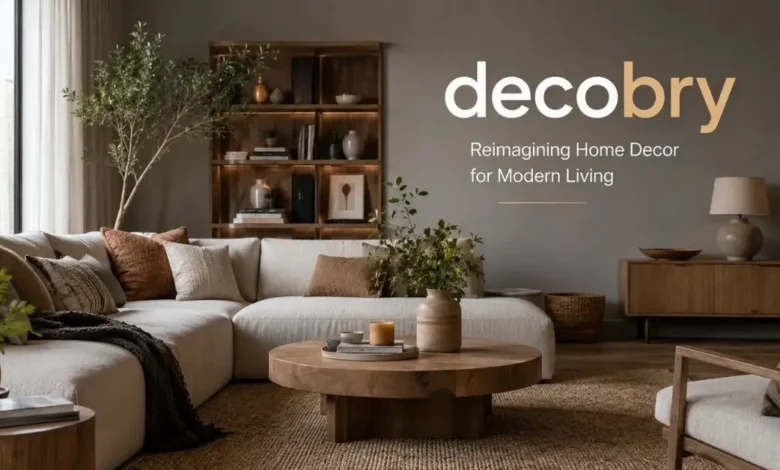
Redecorating a home used to mean flipping through magazines, wandering furniture showrooms, and hoping the pieces you loved separately would somehow look good together, but Decobry is changing that scattered process into something far more organized and personal. This emerging home design platform blends creative inspiration with smart, tech-driven tools to help homeowners and design enthusiasts plan spaces that feel both stylish and genuinely functional. Instead of guessing what might work, users get guided suggestions based on their own tastes, budget, and the realities of their space. For anyone tired of Pinterest boards that never quite translate into a finished room, this article explains what the platform offers, how it works, and why it is earning attention among modern homeowners.
What Decobry Actually Offers Homeowners
At its foundation, this platform combines curated design inspiration with practical planning tools, giving users a single place to explore ideas, organize their vision, and move from concept to finished room. Rather than treating decoration as a purely aesthic exercise, the approach here emphasizes that every design choice should serve a real purpose, whether that means better storage, improved lighting, or simply a layout that suits how a family actually lives day to day. This blend of beauty and practicality is what separates the platform from typical inspiration feeds that show gorgeous photos without ever addressing how achievable those looks are for an average household budget.
The philosophy driving the platform centers on simplicity, balance, and personalization, encouraging users to strip away unnecessary clutter and focus on pieces that genuinely add value to their environment. Every home is different, and the tools reflect that by adapting suggestions to individual preferences rather than pushing a single generic style onto every user. Whether someone is furnishing a first apartment, refreshing a family living room, or planning a full home renovation, the platform aims to meet them at whatever stage they’re starting from. That flexibility has made it appealing to a wide range of users, from complete design novices to more experienced homeowners looking for a faster, more organized way to execute their ideas.
Will You Check This Article: How quotela.net Shapes Inspiration and Digital Expression Today
How the Platform Simplifies the Design Process
One of the standout aspects of the experience is how it consolidates what used to be a scattered process into a single streamlined workflow, replacing loose inspiration boards, scattered notes, and endless browser tabs with one organized workspace. Users can save color palettes, furniture ideas, and layout concepts all in one place, making it far easier to see how individual pieces will actually work together before any money gets spent. This kind of visual planning reduces the common and costly mistake of purchasing items separately only to discover they clash once placed in the same room.
Smart suggestion tools built into the platform analyze a user’s stated preferences and existing selections to recommend complementary colors, furniture styles, and layout options that fit cohesively together. Instead of starting from a completely blank canvas, users get a helpful starting point that still leaves plenty of room for personal creativity and adjustment. Drag-and-drop layout tools allow people to experiment with furniture placement virtually, testing different arrangements without the physical effort of actually moving heavy furniture around a room multiple times. This combination of guided suggestions and hands-on experimentation gives users the confidence to make decisions they might otherwise have second-guessed for weeks.
Design Philosophy Behind the Aesthetic
The visual identity associated with this approach leans heavily on neutral color palettes paired with carefully chosen bold accents, creating rooms that feel calm and cohesive while still having personality. Natural materials such as wood, stone, and metal appear frequently throughout recommended designs, bringing warmth and texture into spaces that might otherwise feel sterile or overly minimal. This preference for natural elements reflects a broader shift happening across interior design more generally, where homeowners increasingly want their spaces to feel grounded and authentic rather than showroom-perfect and impersonal.
Personalization remains a core value throughout the design philosophy, since a space that only reflects passing trends rarely stays satisfying for long. Users are encouraged to weave their own personality into every recommendation, adjusting suggested palettes and layouts until the final result feels like a genuine reflection of how they actually want to live. This balance between timeless design principles and individual expression is part of what keeps the resulting spaces from feeling generic, even when many users are drawing from a similar pool of curated inspiration and design guidance.
Practical Tools for Planning and Budgeting
Budget-conscious planning is built directly into the experience, helping users find stylish options that fit realistic spending limits rather than pushing only premium or aspirational products that few people can actually afford. This practical focus matters enormously, since one of the most common frustrations with traditional decor inspiration is that the featured rooms often rely on expensive custom pieces that simply aren’t accessible for most households. By keeping budget considerations front and center, the platform helps bridge the gap between inspiration and what people can realistically achieve.
Virtual previewing tools also play an important role in preventing costly purchasing mistakes, allowing users to visualize how a specific piece of furniture or decor item will look within their actual space before committing to buy it. This kind of preview capability saves both time and money by reducing the trial-and-error approach that so often leads to returns, mismatched purchases, or pieces that simply don’t fit the intended room. For renters especially, who often need temporary and reversible solutions, these planning tools offer a way to explore bolder design choices without permanent commitment or risk.
Who Benefits Most From This Approach
Homeowners looking to refresh a single room or undertake a full home redesign represent one of the most obvious audiences, since the guided planning tools remove much of the overwhelm that comes with starting a project from scratch. Having a structured process to follow, rather than an intimidating blank slate, makes it significantly easier for people without formal design training to produce results they’re genuinely proud of. This accessibility is a major part of why the platform has resonated with everyday users rather than only design professionals.
Renters and people living in smaller or temporary spaces also find real value here, since many of the suggested solutions emphasize flexibility and reversibility rather than permanent structural changes. Interior designers and decorators managing multiple client projects benefit as well, using the organizational tools to keep concepts, budgets, and client preferences neatly separated across different jobs. This breadth of appeal, spanning first-time homeowners, renters, and design professionals alike, has helped the platform build a diverse and steadily growing user base across very different living situations and design goals.
Sustainability and Conscious Design Choices
A growing portion of the recommended products and ideas across the platform lean toward sustainable and eco-conscious choices, reflecting a broader shift in consumer priorities toward materials and manufacturing practices that carry less environmental impact. Highlighting sustainably sourced wood, recycled materials, and durable pieces built to last rather than trend-driven disposable furniture aligns with how many modern homeowners now approach their purchasing decisions. This emphasis helps users make choices that feel good ethically, not just aesthetically.
Beyond material sourcing, the broader idea of conscious consumption threads through much of the guidance offered, encouraging users to invest in fewer, better pieces rather than accumulating decor items that quickly fall out of style or get discarded. This approach naturally supports longer-lasting, more meaningful spaces that don’t need constant refreshing to stay satisfying. For households increasingly mindful of both their budgets and their environmental footprint, this kind of thoughtful, quality-over-quantity guidance offers a genuinely useful alternative to the fast-furniture mentality that has dominated much of the home decor industry in recent years.
Conclusion
Decobry brings together inspiration, practical planning, and budget-conscious guidance into a single accessible experience, making the often overwhelming process of decorating a home feel far more manageable and enjoyable. By combining smart suggestions with genuine room for personal expression, the platform helps users move confidently from scattered ideas to finished spaces that actually reflect how they live. Its focus on natural materials, sustainable choices, and practical budgeting sets it apart from decor resources that showcase beautiful but unattainable rooms disconnected from real-world constraints. Whether the goal is refreshing a single room, furnishing a first apartment, or managing multiple client projects as a design professional, this approach offers a thoughtful, organized path toward spaces that feel both beautiful and genuinely livable for years to come.
Read More: Mynewsdaily.co.uk